

Table of Contents
Late Pregnancy Monitoring in Vizag | Vedanta Speciality Clinics
The final stretch of pregnancy, spanning from week 32 through delivery (weeks 40 to 42), is a time of immense anticipation and rapid physiological change. During these final weeks, your baby undergoes crucial lung maturation, weight gain, and downward positioning into the pelvis, while your body prepares for the onset of labor. Because placental efficiency, blood pressure, and amniotic fluid levels can shift quickly near term, scheduling structured late pregnancy monitoring in Vizag is essential to safeguard both maternal well-being and fetal health.
Located in Madhurawada, Visakhapatnam, Vedanta Speciality Clinics—under the clinical leadership of Dr. Devani Chalamuri—provides dedicated late-pregnancy evaluations. Serving mothers and families across Madhurawada, PM Palem, MVP Colony, Health City Arilova, Siripuram, Maharani Peta, and Gajuwaka, our clinic combines high-resolution growth biometry, color Doppler velocimetry, and electronic fetal heart rate tracking with personalized birth planning. Whether you are planning a natural vaginal birth, exploring painless labor options via epidural analgesia, or managing high-risk conditions like preeclampsia or gestational diabetes, regular late-stage monitoring provides complete peace of mind as your due date approaches.
This comprehensive medical guide covers everything you need to know about late pregnancy monitoring in Visakhapatnam, including fetal readiness milestones, late-stage diagnostic scans, Non-Stress Testing (NST), recognizing true labor signs, coastal lifestyle advice, local hospital infrastructure, cost breakdowns, and answers to 15 essential frequently asked questions.

1. What is Late Pregnancy Monitoring and Why is It Essential?
Late pregnancy monitoring refers to the intensified clinical checkups, electronic fetal heart rate assessments, and ultrasound evaluations performed during the final weeks of the third trimester (weeks 32 to 41). While earlier checkups happen monthly, late pregnancy requires bi-weekly visits from weeks 32 to 36, increasing to weekly visits from week 36 until birth.
Why Intensified Surveillance Matters Near Term
- Evaluating Placental Function: As pregnancy nears 40 weeks, the placenta naturally ages. Regular monitoring verifies that the placenta continues delivering adequate oxygen and nutrients to your baby.
- Tracking Amniotic Fluid Volume: Amniotic fluid levels naturally peak around week 36 and slowly taper off. Ultrasound checks ensure fluid levels remain safe, protecting the umbilical cord from compression.
- Detecting Late-Onset Maternal Conditions: Pregnancy-induced hypertension (preeclampsia) and blood sugar shifts can emerge suddenly during the final month. Weekly blood pressure and urine checks catch these changes before symptoms escalate.
- Confirming Fetal Presentation and Engagement: Doctors monitor whether the baby has settled into a head-down (vertex) position and engaged into the maternal pelvis, helping finalize the safest delivery mode.
- Preventing Post-Term Complications: Extending past 41 weeks increases risks of placental insufficiency or meconium passage. Monitoring helps doctors determine the optimal timing for labor induction if spontaneous labor does not start.
2. Fetal Readiness and Maternal Changes in Late Pregnancy
Understanding how your baby matures and how your body adapts during the final weeks helps you prepare physically and mentally for childbirth.
Key Fetal Developmental Milestones
- Weeks 32 to 35 (Fat Accumulation and Surfactant Production): Your baby gains roughly 200 to 250 grams per week, building subcutaneous fat stores that regulate body temperature after birth. Lung surfactant production reaches levels necessary for independent breathing outside the womb.
- Weeks 36 to 38 (Early Term and Pelvic Engagement): At 37 weeks, your baby reaches early-term status. Many babies drop lower into the pelvic cavity (a process known as lightening), which relieves pressure on your diaphragm while increasing pelvic pressure.
- Weeks 39 to 40+ (Full Term Readiness): At 39 weeks, your baby is officially full term. Organ systems—including the liver, kidneys, brain, and lungs—are fully mature. The baby has strong grasping reflexes and active sleep-wake cycles.
Maternal Physiological Changes Near Term
- Pelvic Pressure and Lightening: As the baby’s head descends into the pelvis, breathing becomes easier, though lower pelvic heaviness, hip aches, and frequent urination increase.
- Cervical Ripening: Hormonal shifts gradually soften, thin out (efface), and begin slightly opening (dilate) the cervix in preparation for active labor contractions.
- Increased Braxton Hicks Contractions: Warm-up uterine tightenings become more frequent and noticeable, though they remain irregular and fade with hydration or rest.
- Nesting Instinct and Fatigue: Many mothers experience bursts of energy to organize their homes alongside physical tiredness from carrying full fetal weight.
3. Core Diagnostic Tests and Scans in Late Pregnancy
Late pregnancy monitoring at Vedanta Speciality Clinics utilizes painless, non-invasive diagnostic tools to audit fetal oxygenation, growth velocity, and uterine activity.
Late-Third-Trimester Growth Ultrasound
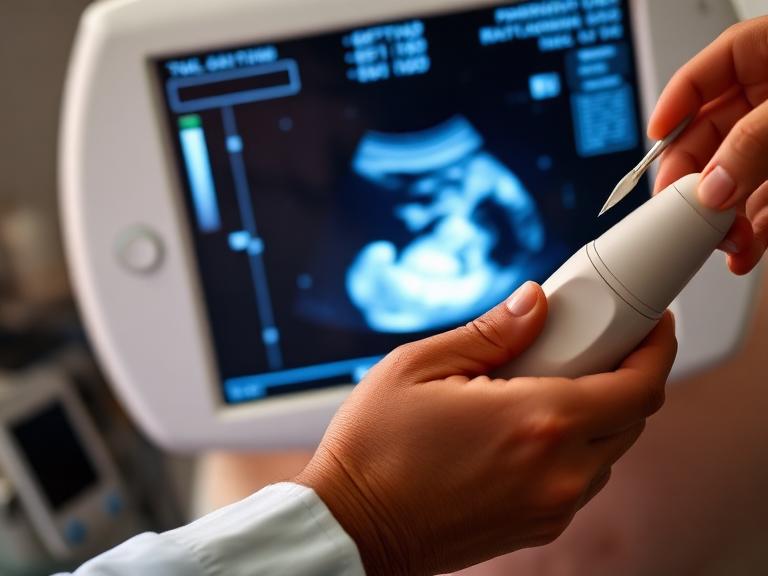
Conducted between weeks 35 and 38, this ultrasound measures the baby’s head circumference, abdominal circumference, and femur length to calculate Estimated Fetal Weight (EFW). It confirms whether the baby is growing along a healthy percentile curve, checks placental location and maturity grade, and measures the Amniotic Fluid Index (AFI).
Fetal Color Doppler Velocimetry
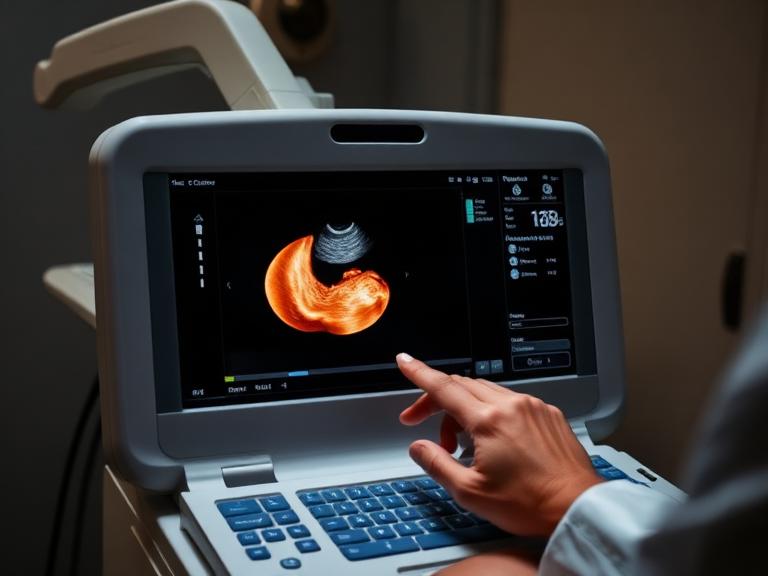
A Color Doppler ultrasound evaluates blood flow velocity and vascular resistance through the umbilical artery, middle cerebral artery, and uterine arteries. Healthy Doppler waveforms confirm smooth oxygen and nutrient transfer across the placenta, making this scan vital for high-risk pregnancies or suspected fetal growth restriction.
Non-Stress Test (NST) and Cardiotocography (CTG)
An NST is a simple, 20-to-30-minute external monitoring test. Two soft elastic belts holding sensors are placed around your abdomen—one records your baby’s heartbeat, and the other measures uterine contractions. A healthy, reassuring result (known as a reactive NST) shows distinct accelerations in the baby’s heart rate whenever the baby moves, proving healthy oxygenation and nervous system responsiveness.
Biophysical Profile (BPP)
When an NST requires further confirmation or in high-risk monitoring, a Biophysical Profile combines a 30-minute real-time ultrasound with heart rate tracking. The doctor scores five key indicators (2 points each, totaling 10 points):
- Fetal heart rate reactivity on NST.
- Fetal breathing movements.
- Gross body and limb movements.
- Fetal muscle tone (flexion and extension of limbs).
- Adequate amniotic fluid pocket volume.
Group B Streptococcus (GBS) Swab and Pre-Delivery Blood Panel
- Group B Strep Culture (Weeks 35–37): A gentle vaginal and rectal swab checks for harmless carrier bacteria. If positive, routine intravenous antibiotics are administered during active labor to prevent bacterial transfer to the newborn.
- Pre-Delivery Complete Blood Count (CBC) and Coagulation Profile: Confirms healthy hemoglobin levels and normal blood clotting function prior to labor or potential epidural placement.
4. What Happens During a Late Pregnancy Checkup Visit?
At Vedanta Speciality Clinics in Madhurawada, weekly checkups during the final month follow a structured clinical routine:
Step 1: Blood Pressure, Weight, and Edema Check
The nursing team measures your seated blood pressure, logs your weight, and checks your ankles, hands, and face for fluid swelling (edema). Catching sudden blood pressure spikes protects against late-onset preeclampsia.
Step 2: Abdominal Palpation and Fundal Height Measurement
Dr. Devani Chalamuri measures your symphysio-fundal height in centimeters to confirm consistent uterine growth. Using gentle abdominal palpation (Leopold maneuvers), the doctor checks the baby’s exact position (head-down, breech, or transverse) and assesses how deeply the baby’s head has engaged in the pelvis.
Step 3: Fetal Heart Rate Audit and NST Review
The doctor listens to the baby’s heartbeat via acoustic Doppler and reviews recent Non-Stress Test strips or growth scan reports.
Step 4: Cervical Readiness Evaluation (Bishop Score)
Around weeks 38 to 40, if clinically indicated, the doctor may perform a gentle internal pelvic check to assess cervical softness, position, effacement (thinning), and dilation (opening), calculating a Bishop score to gauge readiness for natural labor.
Step 5: Birth Plan Finalization and Hospital Coordination
You will review emergency admission signs, confirm pain relief choices (such as painless epidural labor), and ensure all hospital registration paperwork and diagnostic files are organized for delivery day.
5. High-Risk Late Pregnancy Surveillance Protocols
Mothers managing medical conditions or late-onset variations receive individualized high-risk monitoring under Dr. Devani Chalamuri at Vedanta Speciality Clinics.
Preeclampsia and Gestational Hypertension
Elevated blood pressure developing near term requires close surveillance. Patients monitor blood pressure daily at home, complete spot urine protein-to-creatinine tests, undergo liver enzyme and platelet blood counts, and attend weekly NST and Doppler audits. Delivery is typically planned around week 37 to prevent maternal or fetal complications.
Late-Stage Gestational Diabetes (GDM)
Mothers with GDM continue 4-point daily fingerstick glucose logging (fasting and post-meal readings). Tight glycemic control prevents excessive fetal growth (macrosomia) and ensures stable newborn blood sugar levels after delivery. Weekly NSTs starting at week 36 monitor placental function.
Oligohydramnios (Low Amniotic Fluid)
If ultrasound reveals an Amniotic Fluid Index below 5 centimeters near term, the doctor checks for membrane leakage, evaluates placental blood flow via Color Doppler, encourages oral or intravenous hydration, and discusses timely labor induction if fluid remains persistently low.
Breech or Transverse Presentation at Term
If a baby remains in a breech (bottom-first) or transverse (sideways) position past week 36, the doctor discusses safe delivery options, including external cephalic version (ECV) evaluations or scheduling a planned, safe Cesarean section.
6. Recognizing True Labor Signs vs. False Alarms
Knowing when to head to the hospital eliminates unnecessary stress during the final weeks of pregnancy.
Distinguishing Braxton Hicks from True Labor Contractions
- Braxton Hicks Contractions: Feel like mild tightening across the front of the belly, occur at irregular intervals, do not grow stronger or closer together, and fade when you walk around, change positions, or drink water.
- True Labor Contractions: Follow a consistent, rhythmic pattern, become progressively longer, stronger, and closer together (such as every 5 minutes, lasting 60 seconds, for at least 1 hour—the 5-1-1 rule), radiate from the lower back around to the abdomen, and continue regardless of movement or rest.
Other Key Signs of Approaching Labor
- Bloody Show: Passing a thick, mucus-like discharge tinged with pink or brown blood as the cervical mucus plug releases during cervical dilation.
- Rupture of Membranes (Water Breaking): A sudden gush or continuous slow trickle of warm, clear, odorless amniotic fluid. Even if contractions have not started, rupture of membranes requires prompt hospital admission to prevent infection.
7. Local Healthcare Infrastructure Across Visakhapatnam
Visakhapatnam offers a well-connected maternal healthcare network, linking neighborhood specialty clinics with advanced tertiary birthing hospitals equipped with Level III and Level IV Neonatal Intensive Care Units (NICU).
Primary Healthcare Hubs Across Vizag
- Madhurawada and PM Palem Corridor (North Vizag Hub): As the primary residential and IT corridor in North Vizag, Madhurawada provides convenient access to top women’s healthcare. Vedanta Speciality Clinics, located in Madhurawada under Dr. Devani Chalamuri, provides weekly late-pregnancy checkups, growth scan reviews, Doppler evaluations, GDM tracking, and birthing coordination without requiring tiring commutes into central city traffic.
- Health City, Arilova (Tertiary Specialty Zone): Located 10 to 15 minutes from Madhurawada via the BRTS corridor, Health City Arilova serves as the regional referral center for tertiary birthing care. Key facilities include BirthRight by Rainbow Children’s Hospital (advanced fetal medicine units, Level IV NICU), Apollo Health City, and CARE Hospitals. These centers handle high-risk deliveries, extreme prematurity, and adult ICU support.
- Central Vizag Hubs (Siripuram, Maharani Peta, and Jagadamba): The traditional medical core of Visakhapatnam includes Lotus Hospitals for Women and Children (Siripuram), Medicover Woman and Child Hospital (Maharani Peta / Jagadamba), Seven Hills Hospital, and CARE Hospitals (Ram Nagar). These centers feature senior female obstetricians, modern Labor-Delivery-Recovery (LDR) suites, blood bank access, and round-the-clock emergency care.
- Gajuwaka and Sheela Nagar (Industrial Corridor Hub): Serving South Vizag’s industrial and port belt, major facilities like KIMS Cuddles / KIMS ICON Hospital (Sheela Nagar) offer maternity delivery suites, Level III NICUs, and emergency obstetric triage.
8. Coastal Climate, Nutrition, and Comfort Tips for Vizag Mothers
Navigating the final weeks of pregnancy in Visakhapatnam requires adjusting daily routines to account for the local coastal weather and physical demands:
Hydration in Coastal Humidity
Vizag’s coastal humidity accelerates fluid loss through sweat. Dehydration is a common trigger for false contractions (Braxton Hicks) and low amniotic fluid levels. Drink 3 to 3.5 liters of daily fluids, incorporating fresh tender coconut water (Letha Kobbari Bondam) and homemade buttermilk (Majjiga).
Nutrient-Dense Regional Foods
Eat smaller, frequent meals to prevent late-pregnancy heartburn and abdominal fullness. Incorporate iron- and calcium-rich regional foods such as finger millet (Ragi malt), dark leafy greens (Gongura, Thotakura), lentils, dates, jaggery, and thoroughly cooked, low-mercury local marine fish.
Managing Foot Swelling and Sleep Comfort
Elevate your legs on pillows while sitting or resting to ease pedal edema (ankle and foot swelling). Sleep on your left side with a supportive pillow tucked between your knees and under your belly to relieve lower back strain and maximize blood circulation to the placenta.
9. Estimated Financial Breakdown for Late Pregnancy Monitoring in Vizag
Understanding average pricing for late-stage checkups, diagnostic scans, and delivery packages across Visakhapatnam helps families plan their healthcare budgets:
- Senior Obstetric OPD Consultation (Vedanta Speciality Clinics): ₹400 to ₹1,200 per visit (Includes physical vitals check, abdominal palpation, Doppler heartbeat check, and birth plan review).
- Late-Third-Trimester Fetal Growth Ultrasound: ₹2,200 to ₹3,800 (Measures estimated fetal weight, amniotic fluid volume, and fetal position).
- Fetal Color Doppler Ultrasound Scan: ₹2,200 to ₹4,200 (Evaluates blood flow velocity in umbilical and cerebral arteries).
- Non-Stress Test (NST / CTG Session): ₹600 to ₹1,200 per session (Electronic fetal heart rate and uterine contraction tracking).
- Normal Delivery Package (Private Room / LDR Suite): ₹55,000 to ₹95,000 (Includes 2 to 3 days hospital stay, labor room charges, doctor fees, and routine newborn care).
- Painless Normal Delivery (Epidural Add-on): ₹10,000 to ₹20,000 (Includes anesthesiologist fees, epidural kit, and continuous infusion monitoring).
- Cesarean Section Delivery Package (Private Suite): ₹65,000 to ₹1,50,000+ (Includes 3 to 4 days hospital stay, surgeon/anesthetist fees, OT charges, and basic pharmacy).
Frequently Asked Questions (15 FAQs)
1. When does late pregnancy monitoring begin?
Late pregnancy monitoring typically begins around week 32 of gestation and continues every 1 to 2 weeks until delivery (weeks 40 to 42).
2. How often do I need checkups during the final month of pregnancy?
From week 36 until delivery, checkups are scheduled once every week. If you have a high-risk pregnancy—such as preeclampsia, gestational diabetes, or low amniotic fluid—your doctor may recommend twice-weekly monitoring.
3. What is a Non-Stress Test (NST), and is it painful?
An NST is completely painless and non-invasive. Two soft belts holding sensors are placed around your belly for 20 to 30 minutes to monitor your baby’s heart rate patterns alongside uterine contractions.
4. Why is a late-pregnancy growth scan performed around week 36?
A week 36 growth scan checks your baby’s Estimated Fetal Weight (EFW), measures amniotic fluid levels, evaluates placental maturity, and confirms whether the baby is positioned head-down for birth.
5. What is a Color Doppler scan, and why is it needed near term?
A Doppler scan measures blood flow velocity through the umbilical artery and fetal brain vessels. It ensures the aging placenta is still delivering sufficient oxygen and nutrients during the final weeks.
6. How do I perform daily fetal kick counts at home?
Choose a quiet time after a meal, lie down on your left side, and count every distinct kick, roll, or flutter. You should feel at least 10 movements within 2 hours. Contact your doctor immediately if movements noticeably decrease.
7. What services does Vedanta Speciality Clinics in Madhurawada offer for late pregnancy?
Vedanta Speciality Clinics, led by Dr. Devani Chalamuri, offers weekly late-pregnancy checkups, growth scan reviews, Doppler assessments, NST evaluations, GDM and blood pressure management, and hospital birth plan coordination.
8. How can I tell the difference between Braxton Hicks and real labor contractions?
Braxton Hicks contractions are irregular, mild, and fade when you walk or drink water. Real labor contractions follow a regular pattern, grow progressively stronger and closer together, radiate from your lower back to your abdomen, and do not stop with rest.
9. What should I do if my water breaks at home?
If you experience a sudden gush or continuous trickle of clear, warm fluid, note the time and color of the fluid, place a clean sanitary pad, and proceed directly to your birthing hospital—even if you do not feel contractions yet.
10. What is a Bishop score, and how does it help predict labor?
A Bishop score is a clinical rating (from 0 to 13) based on cervical dilation, effacement (thinning), softness, position, and fetal head station. A higher score indicates the cervix is soft and ready for natural labor or successful induction.
11. What happens if my pregnancy goes past 40 weeks?
If you reach 40 weeks without spontaneous labor, your doctor increases monitoring to twice-weekly NSTs and amniotic fluid checks. Most doctors recommend inducing labor between 41 and 41+6 weeks to avoid post-term placental aging risks.
12. Is painless normal delivery available at hospitals in Visakhapatnam?
Yes. Painless normal delivery using lumbar epidural analgesia is widely available across major maternity hospitals in Vizag, allowing mothers to experience comfortable labor while staying awake to push during birth.
13. How should expecting mothers manage Vizag’s coastal heat during late pregnancy?
Drink 3 to 3.5 liters of daily fluids (water, tender coconut water, buttermilk), avoid direct sun exposure during peak afternoon heat (11 AM to 3 PM), and elevate your feet when resting to minimize ankle swelling.
14. What emergency warning signs require an immediate hospital visit in late pregnancy?
Seek immediate emergency medical care if you experience fluid leakage, bright red vaginal bleeding, regular painful contractions (5 minutes apart), severe persistent headaches with blurred vision, sudden facial/hand swelling, or reduced fetal movements.
15. How do I book a late-pregnancy checkup with Dr. Devani Chalamuri at Vedanta Speciality Clinics?
You can book an appointment with Dr. Devani Chalamuri by calling or messaging +91 81257 65888, or by visiting Vedanta Speciality Clinics in Madhurawada, Visakhapatnam.