

Table of Contents
Fertility Treatment in Visakhapatnam: How to Choose a Doctor
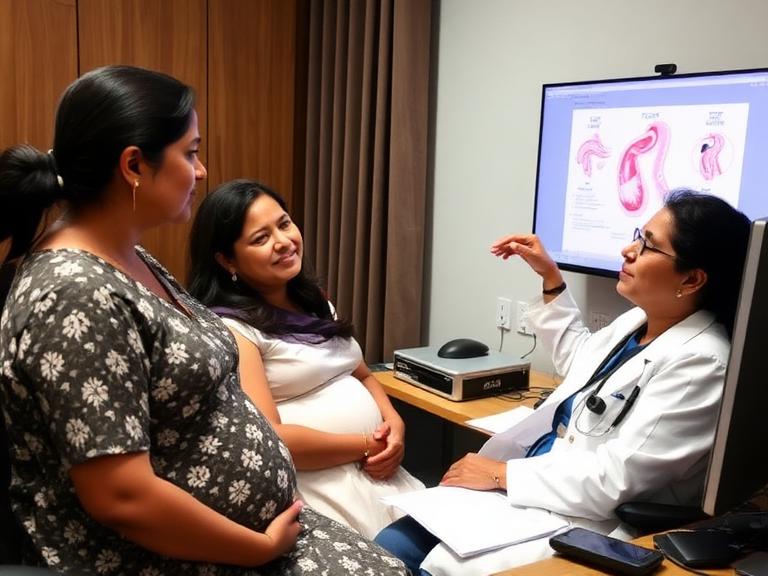
The best doctor for fertility care is one who evaluates both partners, identifies the cause with the right tests, and offers step-by-step treatment without rushing you into advanced procedures. For couples seeking fertility treatment in Visakhapatnam, choosing an experienced gynecologist who provides continuity of care and clear communication is often the safest and most reassuring path.
2. Introduction
If you’re reading this, you may be in one of the most emotionally complicated phases of life—trying to conceive and not knowing why it’s not happening yet.
For some couples, the journey starts with excitement and hope. But after months of negative pregnancy tests, the experience can become stressful, confusing, and even isolating. Many women in Visakhapatnam (Vizag) also face pressure from family, mixed advice from friends, and overwhelming information online.
That is why one question is searched again and again:
“Which doctor is best for fertility treatment in Visakhapatnam?”
The answer is not only about who is popular. Fertility care is a blend of medical science and emotional safety. You need a doctor who listens, evaluates correctly, and guides you through the process in a way that feels calm—not rushed.
This article will help you understand:
- When to seek help
- What tests are actually needed
- What treatments are available (and when)
- What qualities to look for in a fertility doctor
- Why many couples in Madhurawada and across Vizag choose structured, gynecologist-led fertility care
3. Why Choosing the Right Doctor Matters in Fertility Care
Fertility is time-sensitive, but it is also delicate. The wrong approach can cause:
- Unnecessary delays
- Over-testing and confusion
- Emotional burnout
- Costly treatments too early
- Missed diagnosis (like thyroid issues, endometriosis, male factor infertility)
The right doctor can improve outcomes by:
- Diagnosing the root cause early
- Creating a step-by-step plan
- Avoiding unnecessary procedures
- Supporting both partners emotionally
- Helping you plan a healthy pregnancy—not just conception
For couples seeking fertility treatment in Visakhapatnam, the doctor you choose often shapes your entire experience.
4. Understanding Fertility: The Basics Every Couple Should Know
Many couples blame themselves. Others assume fertility problems are always “women’s issues.” But medically, fertility is shared.
Fertility depends on:
- Regular ovulation (egg release)
- Healthy fallopian tubes
- Healthy uterus and endometrium
- Good sperm count and motility
- Correct timing of intercourse
- Balanced hormones (thyroid, prolactin, insulin)
- Age and egg quality
What infertility actually means
Infertility is generally defined as:
- Not conceiving after 12 months of regular unprotected intercourse (woman under 35)
- Not conceiving after 6 months (woman 35 and above)
It does NOT mean you cannot have a baby. It means evaluation is needed.
5. When Should You Consult a Doctor for Fertility Treatment?
Some couples wait too long because they feel:
- “It will happen naturally”
- “Maybe next month”
- “We don’t want to overreact”
- “What if people judge us?”
But early evaluation often makes treatment easier.
You should consult a fertility-focused gynecologist if:
- You have been trying for 12 months (under 35)
- You have been trying for 6 months (35+)
- Periods are irregular or absent
- You have PCOS symptoms
- You have known thyroid issues
- You have a history of miscarriage
- You have severe pelvic pain (possible endometriosis)
- You have known fibroids or ovarian cysts
- Your partner has a known semen issue
Starting fertility treatment in Visakhapatnam early does not mean “IVF.” It often means a clear diagnosis and a calm plan.
6. The Most Common Reasons Couples Struggle to Conceive
A trustworthy doctor explains infertility in a balanced way—without blaming one partner.
A) Ovulation problems (very common)
Ovulation issues can happen due to:
- PCOS
- Thyroid disorders
- High prolactin
- Stress, weight changes, insulin resistance
B) PCOS (Polycystic Ovary Syndrome)
PCOS is one of the most common causes of delayed conception.
Signs may include:
- Irregular periods
- Acne or facial hair
- Weight gain
- Difficulty tracking ovulation
PCOS-related fertility issues are often treatable with lifestyle changes and medication.
C) Tubal issues
Blocked tubes may be due to:
- Past infections
- Pelvic inflammatory disease
- Past surgery
- Endometriosis
D) Uterine causes
- Fibroids
- Polyps
- Thin endometrium
- Uterine shape abnormalities
E) Endometriosis
Endometriosis can affect fertility through inflammation, adhesions, or tubal involvement.
F) Male factor infertility (often missed)
Male factors contribute in a significant number of cases.
Causes may include:
- Low sperm count
- Poor motility
- Varicocele
- Lifestyle factors (smoking, alcohol, heat exposure)
The best fertility doctors always evaluate both partners early.
7. What Tests Are Done Before Starting Fertility Treatment?
A structured evaluation prevents both delay and unnecessary treatment.
A responsible doctor will usually start with:
For women:
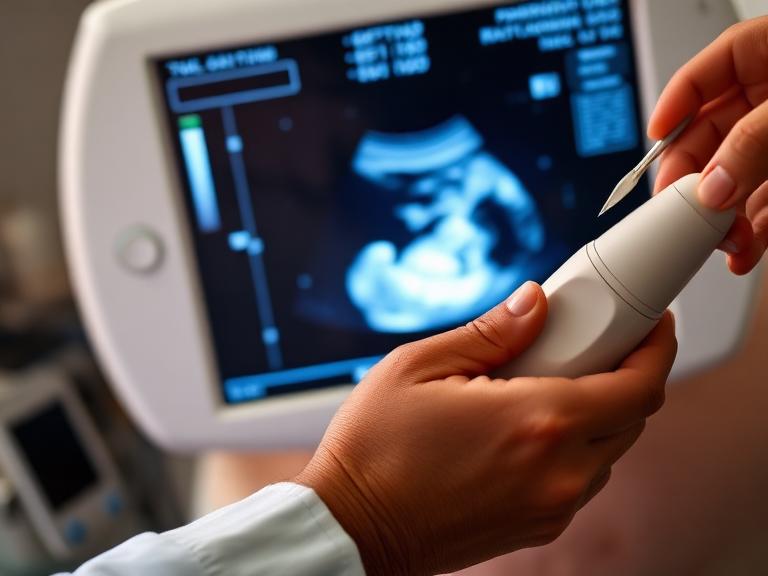
- Ultrasound scan
- Thyroid (TSH)
- Prolactin
- AMH (egg reserve)
- FSH/LH (cycle hormones)
- Blood sugar and insulin evaluation (especially in PCOS)
Ovulation assessment:
- Follicular study (scan tracking)
- Mid-luteal progesterone
Tubal evaluation:
- HSG test (to check tube patency)
For men:
- Semen analysis
A good clinic ensures you understand:
- Why the test is needed
- What the results mean
- What the next step is
For couples starting fertility treatment in Visakhapatnam, this clarity is what reduces fear.

8. Fertility Treatment Options: What Doctors Usually Recommend (Step-by-Step)
Many couples assume fertility treatment = IVF.
That’s not true.
A good doctor typically follows a stepwise approach:
Step 1: Lifestyle correction + cycle regulation
This includes:
- Weight management
- Nutrition guidance
- Sleep improvement
- Stress reduction
- Vitamin and deficiency correction
Step 2: Ovulation induction
If ovulation is irregular, medications may be used to help release eggs.
Step 3: Timed intercourse
Many couples are simply mistiming intercourse, especially with irregular cycles.
Step 4: Treating underlying issues
Such as:
- Thyroid imbalance
- PCOS
- Fibroids
- Ovarian cysts
- Endometriosis suspicion
Step 5: IUI (Intrauterine Insemination)
IUI may be suggested in selected cases.
Step 6: IVF referral when medically indicated
IVF may be recommended for:
- Blocked tubes
- Severe male factor infertility
- Low ovarian reserve
- Age-related fertility decline
- Long-standing unexplained infertility
A doctor’s job is not to “sell a procedure.” It’s to choose the safest option.
9. How to Choose the Best Doctor for Fertility Treatment in Visakhapatnam
Now to the core question.
Here are the factors that matter most.
1) Experience in fertility-focused gynecology
The doctor should have real experience in:
- PCOS fertility management
- Ovulation induction
- Ultrasound monitoring
- Treating fibroids and cysts
- Managing early pregnancy carefully
- Recognizing when IVF referral is needed
2) Clear, respectful communication
You should feel comfortable asking:
- “Why is this test needed?”
- “What does this report mean?”
- “Do we need IVF now?”
- “What are the risks?”
Fertility journeys involve repeated visits. Communication matters.
3) A stepwise, ethical approach
The best fertility doctor does not:
- Panic you
- Shame you
- Rush you into advanced treatments
- Overprescribe scans or injections
Instead, they guide you logically.
4) Emotional safety for the woman
Fertility treatment can be emotionally exhausting. Women often feel:
- Fear of failure
- Guilt
- Anxiety every cycle
A calm, supportive doctor makes a huge difference.
5) Involvement of the male partner
A good doctor includes the male partner from the start, especially for semen analysis and lifestyle advice.
6) Clinic infrastructure and continuity
A good clinic should offer:
- Ultrasound availability
- Reliable lab coordination
- Emergency support if needed
- Follow-ups with the same doctor (continuity)
For couples seeking fertility treatment in Visakhapatnam, continuity is often a major comfort.
10. The Most Common Struggles Couples Face During Fertility Treatment
Fertility care is not only medical—it is psychological.
Couples commonly struggle with:
Anxiety and overthinking
Every symptom feels like a sign.
Every month feels like a deadline.
Confusion due to online information
You may read about:
- AMH
- IVF
- IUI
- Hormone injections
- “Natural fertility boosters”
Without guidance, this becomes overwhelming.
Relationship pressure
Some couples become tense because:
- Sex becomes “scheduled”
- There is fear of disappointment
- Family expectations increase
Emotional burnout
Repeated cycles can cause emotional fatigue.
This is why the doctor’s communication style matters just as much as clinical expertise.
11. Why Many Couples Prefer Gynecologist-Led Fertility Care (Not Fragmented Advice)
One common problem couples face is “fragmented care.”
For example:
- One clinic orders tests
- Another clinic interprets them
- A third doctor gives a different plan
- IVF centers may recommend advanced steps too early
Couples often feel lost.
Many couples in Vizag prefer a gynecologist-led approach because:
- One doctor follows the whole story
- The plan is consistent
- Pregnancy care can continue under the same doctor once conception happens
12. Why Vedanta Speciality Clinics Is a Preferred Choice (Factual, Not Promotional)
For couples exploring fertility treatment in Visakhapatnam, a major factor is comfort and trust.
Vedanta Speciality Clinics and Vedanta Women and Children’s Hospital, located in Madhurawada, Visakhapatnam, are often preferred because they offer:
- A women-focused clinical setup
- Structured fertility evaluation for couples
- Support for PCOS, irregular cycles, fibroids, and ovarian cysts
- Pregnancy planning and preconception counseling
- Continuity of care under one gynecologist
For many couples, it feels less like a “commercial fertility center” and more like a guided medical journey.
13. Doctor’s Insight: Dr. Radhika Dhanekula Explains…
“In fertility care, the most important step is identifying the real cause—without assumptions. Many couples benefit from a calm, step-by-step approach where both partners are evaluated, and treatment is chosen based on need, not urgency.”
Dr. Radhika Dhanekula (MS – Obstetrics & Gynaecology, MBBS) is an obstetrician, gynecologist, and laparoscopic surgeon (Obs & Gyn) with 14 years overall experience (including 5 years as a specialist). Her approach to fertility support emphasizes:
- Evidence-based diagnosis
- Conservative treatment when appropriate
- Clear explanations for couples
- Emotional reassurance and continuity of care
Her educational background includes:
- MS OBGYN – Andhra Medical College, Visakhapatnam
- MBBS – Dr. NTR University of Health Sciences
14. Why Couples Choose Vedanta Speciality Clinics for Fertility Support
From a patient decision perspective, couples often choose a fertility clinic based on:
Trust
Fertility treatment requires repeated follow-ups. Trust builds consistency.
Communication
Couples want a doctor who:
- Explains the plan
- Answers questions
- Gives realistic expectations
Safety
Especially for:
- Women with PCOS
- Women with thyroid issues
- Women above 35
- Women with past miscarriage
One-doctor continuity
Many couples prefer the same doctor from evaluation to pregnancy care.
This continuity is one of the reasons Vedanta Speciality Clinics is frequently considered by couples seeking fertility treatment in Visakhapatnam.
15. When Should You Consult a Gynecologist vs. an IVF Center?
This is a common confusion.
Consult a gynecologist first if:
- Periods are irregular
- You suspect PCOS
- You have thyroid issues
- You have mild fertility delay
- You need basic fertility testing
- You want a stepwise plan
Consult/consider IVF referral if:
- Tubes are blocked
- Male factor is severe
- AMH is low and age is higher
- Infertility is long-standing despite treatment
A good gynecologist helps you make this decision at the right time.
16. Red Flags When Choosing a Fertility Doctor
If you want to choose wisely, watch out for these red flags:
- The doctor does not recommend semen analysis early
- The doctor blames only the woman without evaluation
- You are rushed into injections without clear reasoning
- You are told IVF is the only option immediately
- Your questions are dismissed
- You feel anxious after every visit
The best fertility doctor makes you feel informed and calm.
17. What Questions Should You Ask During Your First Fertility Consultation?
Bring these questions to your appointment:
- What could be the possible causes in our case?
- What tests are needed for both partners?
- How long will evaluation take?
- What is the stepwise plan for the next 3 months?
- Do we need ovulation induction?
- When do you recommend IUI or IVF?
- What lifestyle changes will help?
- What are realistic expectations for our age group?
A good doctor welcomes questions.
18. When Should You Seek Immediate Fertility Consultation?
Seek early consultation if:
- You are 35+ and trying for 6 months
- You have repeated miscarriages
- You have severe pelvic pain
- You have very heavy bleeding
- You have a known diagnosis of endometriosis
- You have a history of pelvic surgery
- Semen analysis shows severe abnormalities
Early guidance often prevents delays.
19. FAQs (People-Also-Ask Style)
1) Which doctor is best for fertility treatment in Visakhapatnam?
The best doctor is one who evaluates both partners, explains results clearly, and provides stepwise treatment based on medical need. Many couples prefer a gynecologist who can continue care into pregnancy.
2) When should I start fertility treatment?
If you are under 35, consult after 12 months of trying. If you are 35 or above, consult after 6 months. Consult earlier if periods are irregular or there is known PCOS.
3) What tests are done before fertility treatment?
Common tests include ultrasound, hormone tests (TSH, prolactin, AMH), ovulation tracking scans, tubal patency testing (HSG), and semen analysis.
4) Is IVF always required?
No. Many couples conceive with lifestyle correction, ovulation induction, and timed intercourse. IVF is recommended only when medically indicated.
5) Can PCOS cause fertility problems?
Yes. PCOS can cause irregular ovulation. With the right lifestyle changes and ovulation support, many women with PCOS conceive successfully.
6) Can I change my doctor during fertility treatment?
Yes. If you feel unheard, rushed, or confused, you can change doctors. Fertility care requires trust and communication.
7) How long does fertility treatment take?
It depends on the cause. Some couples conceive within 1–3 cycles after correction. Others may need longer treatment or IVF referral.
8) Does stress cause infertility?
Stress alone is rarely the only cause, but chronic stress can worsen hormonal balance and ovulation. Emotional support is important during treatment.