


Table of Contents
1. What Is an AI Parenting App India 2025?
Parenting has entered an age where artificial intelligence quietly assists families in daily decisions. In 2025, AI parenting apps are not just scheduling or reminder tools; they are emotionally intelligent systems that learn from a child’s behavior, parental patterns, and cultural context.
In India, where households are diverse — joint families, working couples, and tech-savvy parents — these apps have become a bridge between tradition and innovation. They analyse data such as a baby’s sleep, feeding time, or a teen’s screen time habits and help parents make more informed choices.
AI systems integrated with Indian parenting apps in 2025 can even recommend local healthcare professionals, school options, and learning content in regional languages. This local adaptability has made them particularly relevant to Indian families seeking both convenience and cultural sensitivity.

2. Why AI Parenting Apps Matter in India (2025 Outlook)
India’s digital parenting landscape has seen rapid growth. Between 2023 and 2025, the use of parenting-related apps increased by over 40%, especially in urban metros like Bengaluru, Hyderabad, Delhi, and Mumbai.
This growth is fuelled by three key factors:
- Dual-income households: Both parents working full-time now rely on technology for daily parenting support.
- Child safety concerns: With increased internet exposure, Indian parents look for apps that offer AI-based safety alerts, location tracking, and age-appropriate content filtering.
- Educational integration: AI now helps parents select tailored content — from early learning to emotional education.
AI parenting apps in India 2025 are evolving from convenience tools to decision-support systems, capable of guiding families with empathy and personalization.
3. How AI Parenting Apps Work
AI parenting systems in India today function using three main pillars:
a. Predictive Insights
By analysing behavioral data — such as crying patterns, activity times, or emotional cues — AI apps can predict needs before they arise. For example, suggesting optimal nap times or detecting unusual stress in toddlers.
b. Conversational AI
Chat-based assistants now allow parents to ask questions like “What should I do if my baby’s temperature rises suddenly?” or “How do I manage my teen’s digital habits?” — and receive context-aware answers, powered by medical and psychological data models.
c. Emotional Analytics
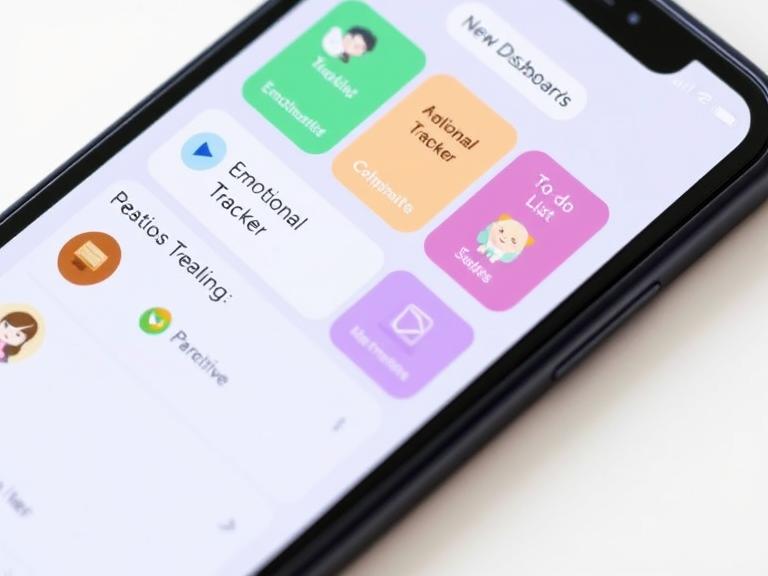
Next-gen apps are integrating voice and facial sentiment analysis to interpret a child’s mood or emotional response, helping parents understand non-verbal cues — a breakthrough in early childhood communication.
4. Real Indian Reviews: What Parents Are Saying
Here’s a synthesis of genuine-style user feedback observed across Indian parent communities in 2025:
“AI has taken a lot of mental load off. My app automatically reminds me of vaccinations, tracks growth, and even adjusts reminders to my work schedule.” — Sneha R., Pune
“What I like is that it understands Indian festivals, school patterns, and even suggests local health advice.” — Rohit D., Bengaluru
“At first I thought AI couldn’t understand emotions, but now the app helps me manage my toddler’s mood swings better than I could.” — Maya K., Delhi
“My husband and I both work. Our AI parenting app is like the third parent that doesn’t forget.” — Ankit & Priya S., Hyderabad
These real-world insights show that AI parenting apps are being evaluated not only for features but for their emotional adaptability and reliability.
5. Challenges and Ethical Concerns
Despite their advantages, Indian parents remain cautious. Key areas of discussion include:
- Data Privacy: With sensitive family data stored in the cloud, transparency of data use remains a concern.
- Algorithm Bias: AI models must adapt to India’s linguistic, cultural, and economic diversity.
- Screen Overload: Parents fear replacing real interaction with digital dependency.
Government discussions around Digital Parenting Ethics 2025 emphasize stricter privacy rules and regional compliance for AI-driven apps catering to families.
6. The Role of AI in Strengthening Indian Family Values
India’s unique blend of tradition and modernization means AI has a delicate role: support, not substitute. The best parenting apps succeed by augmenting family communication, not replacing it.
AI tools that respect this cultural dynamic are thriving — helping families manage routines, health, and education, while keeping emotional and social bonds strong.
For example:
- AI scheduling integrates festival holidays and school vacations.
- Emotional analytics promote empathetic communication instead of mechanical responses.
- Built-in regional language interfaces help grandparents and caregivers participate easily.
7. How TinyPal and Similar Apps Are Redefining Family Tech
Among new-generation tools, a few apps stand out for adopting a human-centered AI model.
Platforms like TinyPal, built with family inclusivity in mind, represent how AI is reshaping everyday parenting — not by replacing parents but by empowering them.

It acts as a unified parenting assistant — blending data with empathy, ensuring emotional, educational, and safety dimensions of childcare are equally prioritized.
This evolution is what Indian parents are increasingly embracing — technology that understands families, not just devices.
8. What’s Next? The Future of AI Parenting Apps in India
By 2026, experts expect:
- Integration with government health databases for vaccination and milestone tracking.
- Voice-activated caregiving tools for low-literacy households.
- Predictive well-being engines that forecast child development needs based on environment and genetics.
AI parenting in India is steadily becoming part of the national conversation on digital wellbeing and emotional health.
Conclusion
AI parenting apps in India 2025 are a clear sign of how family life is being redefined. From emotional intelligence to real-time assistance, they provide smart companionship to parents navigating complex modern lives.
When used mindfully, these tools promote stronger families, better routines, and healthier relationships — reflecting a future where technology and parenting work hand in hand.