

Table of Contents
Clinical Stretch Marks Treatment in Hyderabad | Dr. Showrya Gadde
Stretch marks—medically known as Striae Distensae—are long, narrow bands or lines that develop on the skin when it stretches or shrinks rapidly. They are extremely common, affecting both women and men across all age groups. Whether they appear on the abdomen after pregnancy, on the thighs and hips during teenage growth spurts, or across the shoulders and arms from rapid weight changes or bodybuilding, stretch marks can make many people feel self-conscious about wearing certain outfits or swimwear.
Across the rapidly growing residential, corporate, and fitness hubs of Hyderabad—including Kondapur, Madhapur, HITEC City, Gachibowli, Jubilee Hills, and Banjara Hills—consultations for skin remodeling and scar reduction have increased significantly. New mothers looking to restore post-pregnancy abdominal skin, young adults recovering from rapid weight changes, and fitness enthusiasts seek safe, medical ways to fade visible lines.
Many people spend months applying commercial stretch mark creams, cocoa butter, bio-oils, or home remedies. While moisturizing keeps your skin soft and relieves mild itching, over-the-counter oils cannot reach the deep middle layer of skin where stretch marks actually form.
Seeking specialized Stretch Marks Treatment in Hyderabad provides a proven, science-based dermatological approach. At Dr. Showrya Gadde Dermatology & Wellness (located in Jubilee Enclave, Kondapur, near HITEC City), scar and skin remodeling care is led by Dr. Showrya Gadde (MBBS, DNB – Dermatology & Venereology). By combining detailed skin assessments, Radiofrequency (RF) Microneedling, Fractional Lasers, autologous PRP/GFC therapy, and prescription topicals, the clinic helps rebuild broken collagen and visibly smooth stretch marks.
1. What Are Stretch Marks and How Do They Form?
To understand how to treat stretch marks effectively, it helps to look at how human skin is built. Your skin consists of three main layers: the outer protective layer (epidermis), the thick middle structural layer (dermis), and the deeper fat layer (subcutis).
The dermis contains a strong, flexible mesh of two vital proteins:
- Collagen: Provides strength, structure, and firmness to the skin.
- Elastin: Gives skin its elasticity, allowing it to stretch and bounce back into place smoothly.
When your body grows, expands, or changes size gradually, the collagen and elastin fibers in your dermis stretch comfortably alongside it. However, when the body expands too quickly—or when hormone levels fluctuate sharply—the dermis is pulled beyond its elastic limit.
As a result, the collagen and elastin fibers snap and tear beneath the intact surface skin. As the body attempts to heal these tiny dermal tears, it produces scar tissue that lacks normal collagen organization and pigment. This underlying dermal scar shows through the surface skin as a stretch mark.
2. Two Stages of Stretch Marks: Red vs. White
Dermatologists classify stretch marks into two distinct clinical stages. Identifying which stage your stretch marks are in is essential because each stage responds differently to treatment:
1. Red or Purple Stretch Marks (Striae Rubrae)
- Appearance: Freshly formed stretch marks appear pink, red, reddish-brown, or purplish. They may feel slightly raised, bumpy, or mildly itchy.
- What Happens Under the Skin: In this early stage, the dermal tear is fresh and inflamed. Tiny blood vessels are dilated and visible through the thinned skin, giving the marks their reddish color.
- Treatment Response: Because active blood flow and healing cells are still present in Striae Rubrae, fresh red stretch marks respond much faster and more completely to early clinical treatment.
2. White or Silvery Stretch Marks (Striae Albae)
- Appearance: Over months or years, red stretch marks gradually fade into pale, white, or silvery lines. They often look slightly sunken, wrinkled, or glossy compared to surrounding normal skin.
- What Happens Under the Skin: In this mature stage, local inflammation has settled, tiny blood vessels have narrowed, and the area has become an established dermal scar with thin collagen and reduced pigment cells.
- Treatment Response: Because Striae Albae are mature scars, topical creams cannot change them. Fading white stretch marks requires targeted energy-based or micro-needling procedures that stimulate fresh collagen production deep inside the dermis.
3. Common Causes and Risk Factors for Stretch Marks
Stretch marks can develop on anyone, regardless of age or gender. Common triggers include:
1. Pregnancy (Striae Gravidarum)
Between 50% and 90% of pregnant women develop stretch marks during the second and third trimesters—most commonly on the abdomen, breasts, hips, and thighs. Both rapid physical stretching and high pregnancy hormones (which soften collagen fibers) contribute to their formation.
2. Puberty and Adolescent Growth Spurts
Rapid height increases and body shape changes during teenage years frequently cause stretch marks across the thighs, hips, buttocks, breasts, and lower back.
3. Rapid Weight Gain or Weight Loss
Gaining weight quickly stretches the skin beyond its elastic capacity. Similarly, losing large amounts of weight rapidly can leave behind visible marks as skin tension shifts.
4. Bodybuilding and Intense Strength Training
Rapid muscle growth in the gym—especially around the shoulders, chest, biceps, and upper thighs—can stretch the overlying skin quickly, creating stretch marks in both men and women.
5. Hormonal Conditions and Corticosteroid Use
High levels of the stress hormone cortisol weaken elastic fibers in the skin. Conditions like Cushing’s syndrome, or prolonged use of strong topical steroid creams and oral steroid medications, can trigger wide, deep stretch marks.
6. Genetics and Family History
Your genetic makeup plays a major role in determining your skin’s natural collagen strength and elasticity. If your parents or siblings developed stretch marks easily, you are more likely to develop them as well.
4. Clinical Dermatological Treatments for Stretch Marks
Effective stretch mark removal requires stimulating your body to replace broken scar tissue with healthy, organized collagen and elastin. At a specialized dermatology practice, treatments are customized based on the color, depth, and location of your marks:
1. Radiofrequency (RF) Microneedling
RF Microneedling is one of the most effective treatments available for both red and older white stretch marks across all Indian skin types.
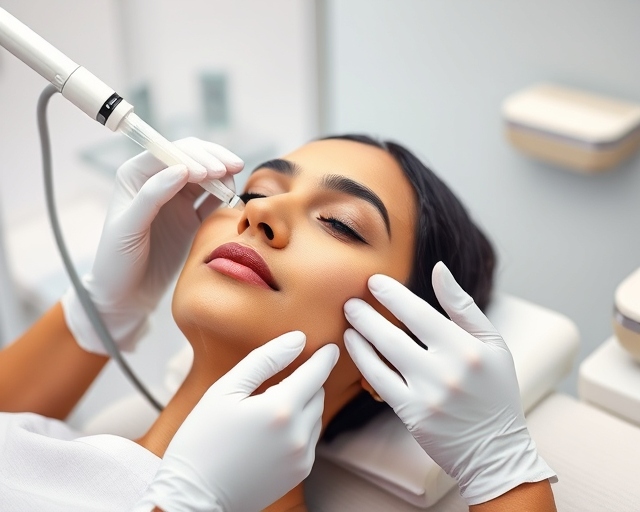
- How It Works: Ultra-fine insulated micro-needles penetrate directly into the stretched dermis, creating controlled micro-channels. Simultaneously, the needle tips release gentle radiofrequency thermal energy deep beneath the skin surface without overheating the outer epidermis.
- Clinical Benefits: This targeted heat contracts loose skin fibers instantly and triggers a strong wound-healing response that builds dense new collagen and elastin over the following months. As new collagen fills in the sunken stretch mark, the lines become narrower, shallower, and smoother.
2. Fractional Laser Skin Resurfacing
Fractional lasers (such as non-ablative Erbium Glass or Fractional CO2 lasers) deliver microscopic beams of laser energy deep into the dermal scar tissue.
- How It Works: The laser creates thousands of tiny thermal zones surrounded by healthy, untouched skin. This stimulates rapid cellular turnover, breaks down disorganized scar tissue, and encourages smooth new skin and collagen growth.
- Clinical Benefits: Helps smooth rough, wrinkled skin texture inside older white stretch marks and blends their color closer to surrounding healthy skin.
3. Autologous PRP & GFC Bio-Stimulation
Platelet-Rich Plasma (PRP) and Growth Factor Concentrate (GFC) use natural healing proteins harvested from your own blood to accelerate tissue repair.
- How It Works: A small sample of your blood is processed to isolate concentrated growth factors (such as PDGF, VEGF, and EGF). When applied or micro-injected directly into stretch marks alongside microneedling, these growth factors stimulate dermal fibroblast cells to synthesize fresh collagen.
- Clinical Benefits: Speeds up recovery, enhances collagen density, and improves skin elasticity naturally without synthetic chemicals.
4. Medical Chemical Peels
Dermatological chemical peels (such as Glycolic Acid, TCA, or Retinoic Acid peels) exfoliate damaged surface skin cells and stimulate mild dermal renewal.
- How It Works: Controlled peeling solutions remove dull outer skin layers, improving surface texture and encouraging fresh cell growth.
- Clinical Benefits: Useful for improving superficial skin texture, fading dark discoloration around fresh stretch marks, and enhancing the penetration of medical creams.
5. Prescription Topical Retinoids (Tretinoin)
For early, red stretch marks (Striae Rubrae), prescription-strength retinoid creams help rebuild collagen and boost cell turnover.
- Important Safety Note: Prescription retinoids should only be used under dermatological supervision and must be strictly avoided during pregnancy or breastfeeding.
5. Overview of Stretch Mark Treatments by Stage
To help you understand how different treatments match specific types of stretch marks, here is a clear breakdown:
1. Fresh Red / Purple Stretch Marks (Striae Rubrae)
- Primary Clinical Goal: Calm blood vessel inflammation & rebuild early collagen.
- Recommended Treatments: Prescription Retinoids (if not pregnant/nursing), Gentle Chemical Peels, Vascular Lasers, and Early Microneedling.
- Expected Outcome: Rapid fading of red/purple color and significant prevention of deep scarring.
2. Older White / Silvery Stretch Marks (Striae Albae)
- Primary Clinical Goal: Break down mature scar tissue & stimulate deep dermal collagen.
- Recommended Treatments: Radiofrequency (RF) Microneedling, Fractional Laser Resurfacing, and Combined PRP / GFC Therapy.
- Expected Outcome: 60% to 80% improvement in scar depth, width, and skin smoothness over 4 to 6 sessions.
3. Post-Pregnancy Abdominal Stretch Marks
- Primary Clinical Goal: Tighten loose stretched skin & fade abdominal lines safely.
- Recommended Treatments: RF Microneedling combined with Autologous GFC or PRP Therapy (started post-breastfeeding).
- Expected Outcome: Firmer abdominal skin texture, narrower marks, and smoother skin contour.
6. What to Expect During Your Dermatology Consultation
Your stretch mark treatment journey starts with a comprehensive evaluation:
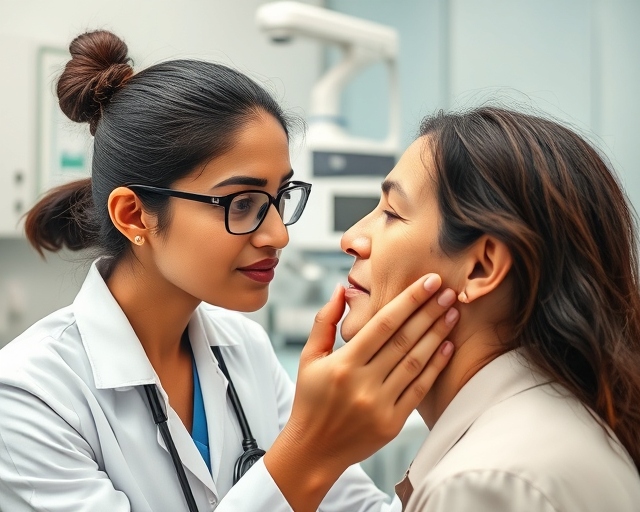
- Clinical Skin Assessment: The dermatologist examines your stretch marks under proper lighting, evaluating their age, color (red vs. white), width, skin thickness, and skin type.
- Medical History Review: The doctor reviews your medical history, recent weight changes, pregnancy or breastfeeding status, and any medications to ensure complete safety.
- Customized Treatment Protocol: Based on your goals and skin type, the dermatologist designs a tailored plan—often combining two complementary methods (such as RF Microneedling with GFC therapy) for optimal remodeling.
- Comfort and Safety: All procedures follow strict medical hygiene standards, using strong numbing creams prior to treatment to ensure a comfortable experience.
7. Cost Breakdown of Stretch Marks Treatment in Hyderabad
Pricing for clinical stretch mark removal across specialized dermatology clinics in Hyderabad depends on doctor expertise, technology used, size of the body area (e.g., abdomen vs. thighs or arms), and the total number of sessions required:
- Specialist Dermatologist Consultation: ₹700 to ₹1,200 (Includes clinical skin assessment and treatment planning).
- Medical Chemical Peels: ₹3,000 to ₹5,500 per session (Varies based on peel formulation and body area size).
- Radiofrequency (RF) Microneedling: ₹6,500 to ₹14,000 per session (Includes deep dermal thermal remodeling and numbing).
- Fractional Laser Resurfacing: ₹6,000 to ₹13,000 per session (Depends on laser technology and area coverage).
- Combination RF Microneedling + PRP / GFC Session: ₹9,500 to ₹18,000 per session (Combines thermal collagen induction with autologous growth factors).
8. Daily Habits & Environmental Care in Hyderabad
Supporting your clinical treatments with healthy daily habits helps keep your skin resilient and prevents new stretch marks from forming:
- Maintain Gradual Weight Management: Avoid crash diets or rapid weight fluctuations; steady, balanced nutrition gives your skin time to adapt smoothly.
- Stay Hydrated in Warm Weather: Hyderabad’s warm climate and air-conditioned indoor workspaces can dehydrate the skin. Drinking plenty of water daily keeps skin cells hydrated and flexible.
- Protect Treated Skin from Sun Exposure: Sunlight can darken healing skin after microneedling or laser treatments. If treated areas (like arms, shoulders, or calves) are exposed to sunlight, apply broad-spectrum SPF 50 sunscreen daily.
- Support Collagen Through Nutrition: Eat a balanced diet rich in protein, Vitamin C (citrus fruits, bell peppers), Zinc (nuts, seeds), and Vitamin E to supply your skin with essential collagen-building nutrients.
- Moisturize Consistently: Use rich, fragrance-free moisturizers containing Hyaluronic Acid, Ceramides, or Centella Asiatica to keep the skin barrier soft and supple.
9. Essential Pre-Care and Post-Care Instructions
Following simple pre-care and post-care guidelines helps ensure smooth healing and maximum collagen production after your session:
Before Your Session
- Keep the treatment area clean and free of heavy body lotions, oils, or perfumes on the day of your appointment.
- Avoid waxing, threading, or using harsh hair removal creams on the area for at least 5 days before treatment.
- Avoid direct sun tanning on the treatment zone for 1 week prior to laser or RF sessions.
After Your Session
- First 24 to 48 Hours: You may notice mild redness, warmth, or tiny pinpoint marks over the treated skin. Apply the soothing barrier ointment prescribed by your dermatologist.
- Clothing: Wear loose, soft, breathable cotton clothing over treated areas (such as the abdomen or thighs) to avoid friction.
- Heat and Sweating: Avoid hot showers, saunas, steam rooms, swimming pools, and strenuous workouts causing heavy sweating for 48 hours.
- Sun Protection: Keep treated areas covered or protected with broad-spectrum SPF 50 sunscreen until skin redness settles completely.
10. Frequently Asked Questions (FAQs)
1. What is the most effective Stretch Marks Treatment in Hyderabad?
The most effective treatment depends on whether your stretch marks are fresh and red (Striae Rubrae) or older and white (Striae Albae). At Dr. Showrya Gadde Dermatology & Wellness, red stretch marks respond well to prescription retinoids, vascular lasers, and chemical peels. Older white stretch marks require deep collagen remodeling using Radiofrequency (RF) Microneedling, Fractional Lasers, and autologous PRP or GFC therapy.
2. What is the difference between red stretch marks and white stretch marks?
Red or purple stretch marks (Striae Rubrae) are fresh marks where underlying blood vessels are still visible through newly stretched skin. They respond much faster to treatment. White or silvery stretch marks (Striae Albae) are older, mature scars where blood vessels have narrowed and dermal collagen has thinned, requiring deeper clinical procedures to rebuild.
3. How much does stretch marks treatment cost in Hyderabad?
At Dr. Showrya Gadde Dermatology & Wellness, specialist consultation ranges from ₹700 to ₹1,200. Medical chemical peels cost ₹3,000 to ₹5,500 per session. Radiofrequency (RF) Microneedling or Fractional Laser sessions range from ₹6,500 to ₹14,000 per session, depending on the size of the body area treated.
4. Can stretch marks be removed 100% permanently?
Stretch marks are a form of deep dermal scarring. While no treatment can erase them 100% completely, advanced clinical procedures like RF Microneedling and Fractional Lasers can improve their appearance by 60% to 80%, making them much narrower, smoother, and closer to your natural skin tone.
5. Why do over-the-counter stretch mark creams and oils fail to remove old stretch marks?
Commercial creams and oils only hydrate the top layer of skin (epidermis), which helps soothe itchiness. Stretch marks occur when collagen and elastin fibers tear inside the deep middle layer of skin (dermis). Topical oils cannot reach deep enough to repair broken collagen fibers.
6. How does Radiofrequency (RF) Microneedling fade stretch marks?
RF Microneedling uses ultra-fine needles to create controlled micro-channels inside the stretch mark while delivering gentle heat deep into the dermis. This stimulates the skin to produce fresh collagen and elastin fibers, filling in the sunken scar tissue and tightening loose skin.
7. How many sessions are required for visible stretch mark reduction?
Most patients require 4 to 6 sessions spaced 4 weeks apart. Because natural collagen remodeling takes time, visible improvements in stretch mark depth, texture, and color develop gradually over 3 to 6 months.
8. Is stretch marks treatment painful?
No. Clinical stretch mark procedures are very comfortable. Before starting RF Microneedling or laser treatments, a strong medical numbing cream is applied to the skin for 30 to 45 minutes to ensure a virtually painless experience.
9. When is the safest time to start stretch marks treatment after pregnancy?
You can safely begin gentle moisturizing and hydrating care right away. For active clinical procedures like RF Microneedling, lasers, or prescription retinoids, dermatologists recommend waiting until after delivery and completing breastfeeding, usually 3 to 6 months post-partum.
10. Are laser and RF microneedling treatments safe for Indian skin tones?
Yes. Radiofrequency (RF) Microneedling and non-ablative fractional lasers are completely safe for South Asian skin phototypes when performed by a qualified dermatologist using customized energy settings to prevent dark spots (post-inflammatory hyperpigmentation).
11. Can rapid weight gain, weight loss, or gym bodybuilding cause stretch marks?
Yes. Whenever the body grows or shrinks faster than the skin can adapt—such as during pregnancy, teenage growth spurts, rapid weight fluctuations, or intense muscle building in the gym—collagen fibers stretch and tear, forming stretch marks on the abdomen, arms, shoulders, thighs, or hips.
12. How does combining PRP or GFC with microneedling speed up stretch mark healing?
Platelet-Rich Plasma (PRP) and Growth Factor Concentrate (GFC) contain high concentrations of your own natural healing proteins. Applying or injecting them alongside microneedling delivers growth factors directly into broken dermis tissue, accelerating collagen synthesis and skin repair.
13. Is there any downtime after stretch marks removal sessions?
Downtime is minimal. You may notice mild redness, warmth, or slight swelling over the treated skin for 24 to 48 hours after RF Microneedling or laser sessions. You can wear loose clothing and return to normal daily routines immediately.
14. Can steroid creams cause severe stretch marks?
Yes. Using strong, unprescribed topical corticosteroid creams or oral steroids over long periods thins the skin and weakens collagen fibers, leading to wide, deep, purple stretch marks (steroid-induced striae).
15. Why choose Dr. Showrya Gadde Dermatology & Wellness for Stretch Marks Treatment in Hyderabad?
Dr. Showrya Gadde (MBBS, DNB – Dermatology) provides specialized medical scar and skin remodeling care. Her practice in Jubilee Enclave, Kondapur, uses advanced RF Microneedling, fractional laser technology, GFC bio-stimulation, and safe protocols tailored for Indian skin.
11. Schedule Your Clinical Skin Evaluation
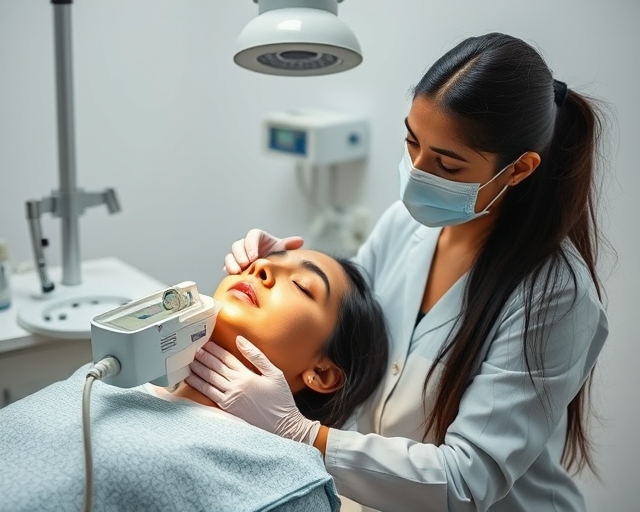
Fading stretch marks and restoring smooth, firm skin begins with an accurate dermatological assessment. Whether you are looking to treat recent post-pregnancy lines or older stretch marks on your abdomen, thighs, or arms, schedule a consultation with Dr. Showrya Gadde at Dr. Showrya Gadde Dermatology & Wellness in Jubilee Enclave, Kondapur, Hyderabad. A comprehensive evaluation will help determine the safest, most effective treatment plan for your skin.