

Table of Contents
Pregnancy Care for First-Time Mothers in Vizag | Vedanta Speciality Clinics
Embarking on a first pregnancy is one of life’s most profound milestones. For first-time mothers, navigating the 40-week journey brings excitement alongside essential questions regarding physical changes, diagnostic scans, nutritional needs, and labor preparation. Choosing structured pregnancy care for first-time mothers in Vizag ensures that every stage of gestation is supported by evidence-based clinical guidance, compassionate care, and personalized attention.
Visakhapatnam (Vizag) has established itself as the leading healthcare center for North Coastal Andhra Pradesh. Serving families across Madhurawada, PM Palem, MVP Colony, Health City Arilova, Siripuram, Maharani Peta, and Gajuwaka, Vedanta Speciality Clinics in Madhurawada—under the clinical leadership of Dr. Devani Chalamuri—delivers dedicated prenatal checkups, early diagnostic screening, childbirth education, and high-risk maternity triage.
This comprehensive guide breaks down the trimester-by-trimester care pathway for first-time mothers, essential blood panels, ultrasound timelines, coastal lifestyle adjustments, hospital delivery planning across Visakhapatnam, and answers 15 essential frequently asked questions.

1. Trimester-by-Trimester Care Pathway for First-Time Mothers
For first-time mothers, understanding what happens at each stage of pregnancy helps reduce anxiety and builds confidence. Prenatal care follows an evidence-based clinical schedule that monitors embryonic development, fetal growth velocity, and maternal physiological changes.
First Trimester (Weeks 1 to 13): Confirmation, Baseline Audits, and Early Screening
The first trimester focuses on confirming a healthy intrauterine pregnancy, establishing an accurate due date, and evaluating maternal baseline health.
- Initial Intake Consultation (Weeks 6–8): Confirms intrauterine pregnancy via ultrasound, calculates gestational age, logs baseline blood pressure, BMI, and reviews personal medical history.
- Baseline Blood and Urine Screening: Complete Blood Count (CBC), blood typing and Rh factor, serum ferritin, fasting blood sugar/HbA1c, Thyroid-Stimulating Hormone (TSH), Rubella IgG, Hepatitis B (HBsAg), HIV 1 & 2, VDRL, and Complete Urine Examination (CUE).
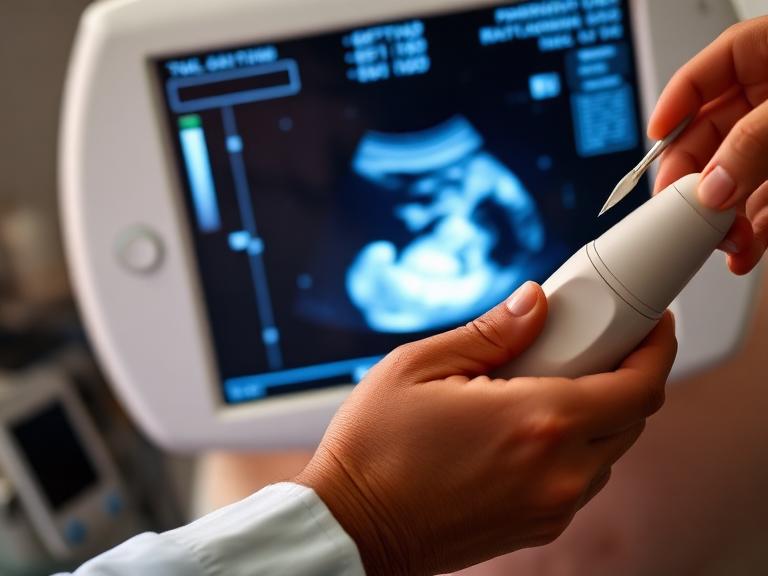
- Early Viability and Dating Scan (Weeks 6–9): Confirms gestational sac location, verifies fetal cardiac activity, and calculates an accurate estimated date of delivery (EDD) using Crown-Rump Length (CRL).
- Chromosomal and Nuchal Screening (Weeks 11–13+6): Nuchal Translucency (NT) ultrasound combined with double marker blood testing (PAPP-A and free beta-hCG) or Cell-Free DNA (NIPT) to screen for Down syndrome and other trisomies early.
Second Trimester (Weeks 14 to 27): Structural Audits, Quickening, and Metabolic Checks
Often referred to as the most comfortable phase of pregnancy, the second trimester focuses on a detailed audit of fetal anatomy and maternal metabolic adaptation.
- Monthly Prenatal Consultations: Tracks maternal weight gain trajectory, checks blood pressure, monitors uterine fundal height, and listens to fetal heart tones.
- Targeted Level II Anomaly Scan / TIFFA (Weeks 18–22): High-resolution structural examination checking the fetal brain, heart, spine, stomach, kidneys, limbs, facial profile, placental position, and amniotic fluid volume.
- Gestational Diabetes Screening (Weeks 24–28): Standardized 75g Oral Glucose Tolerance Test (OGTT) or DIPSI test to identify gestational carbohydrate intolerance.
- Anemia and Iron Reserves Check: Repeat Complete Blood Count and serum ferritin evaluation to catch hemodilutional iron deficiency early.
Third Trimester (Weeks 28 to 40+): Fetal Growth, Birth Planning, and Term Monitoring
The final trimester focuses on tracking fetal growth velocity, monitoring placental blood flow, and preparing the mother physically and mentally for labor and delivery.
- Bi-Weekly (Weeks 28–36) and Weekly (Weeks 36+) Consultations: Focuses on detecting late-onset preeclampsia, checking for peripheral edema, verifying head-down (vertex) presentation, and monitoring fetal movement patterns.
- Growth Velocity and Color Doppler Scans (Weeks 28–32 & 36): Measures Estimated Fetal Weight (EFW), checks amniotic fluid volume (AFI), and evaluates blood flow in the umbilical and middle cerebral arteries.
- Non-Stress Testing (NST) and Biophysical Profiles: Weekly or bi-weekly electronic monitoring of fetal heart rate accelerations paired with real-time ultrasound checks for high-risk profiles or when reduced fetal movement is reported.
- Birth Plan and Hospital Registration: Finalizing delivery preferences (natural birthing, painless labor via epidural, or elective C-section) and completing hospital admission paperwork with affiliated birthing hospitals.
2. Essential Health Audits and Screening Matrix
To ensure clarity for first-time mothers, the diagnostic timeline combines routine physical checkups with targeted lab panels and specialized ultrasound imaging:
Trimester Diagnostic and Screening Matrix
| Gestational Milestone | Clinical Procedures & Diagnostic Tests | Target Health Objective |
| Intake / Weeks 6–9 | Baseline Blood Panel + Viability Scan | Confirms intrauterine implantation, heartbeat, CRL gestational age, blood group, TSH, and HbA1c |
| Weeks 10+ | Cell-Free DNA (Expanded NIPT) | High-accuracy blood screening for major trisomies using circulating fetal cell-free DNA |
| Weeks 11 – 13+6 | Combined First-Trimester Screen + NT Scan | Measures NT thickness, PAPP-A, free beta-hCG, and uterine artery blood flow to calculate aneuploidy and preeclampsia risk |
| Weeks 14 – 27 | Monthly Vitals & Physical Examination | Tracks blood pressure, weight gain, fundal height, fetal heart rate, and routine urinalysis |
| Weeks 18 – 22 | Targeted Level II Anomaly Scan (TIFFA) | Detailed anatomical examination of fetal organ systems, spine, facial features, and placental location |
| Weeks 24 – 28 | OGTT Glucose Screen & Anemia Panel | Standardized 75g glucose tolerance test for GDM; repeat CBC and serum ferritin evaluation |
| Week 28 | Rh Factor & Antibody Screening | Administers Anti-D (RhIG) to Rh-negative mothers; checks hemoglobin and platelet levels |
| Weeks 28 – 36 | Serial Growth & Color Doppler Scans | Evaluates fetal growth velocity (EFW), amniotic fluid volume (AFI), and placental vascular blood flow |
| Weeks 36 – 40+ | Term Biophysical Audit & NST | Checks cervical readiness, fetal presentation, blood pressure trends, and electronic CTG heart rate logs |
3. Childbirth Education, Painless Labor, and Birth Planning
For first-time mothers, fear of the unknown—especially regarding labor pain and delivery workflows—is natural. Modern maternity care incorporates birth planning and labor analgesia options to make delivery a safe, positive experience.
Antenatal Education and Childbirth Classes
First-time mothers at Vedanta Speciality Clinics receive guidance on pelvic floor exercises (Kegels), breathing techniques for labor, recognizing true labor contractions versus false alarms (Braxton Hicks), early breastfeeding establishment, and newborn hygiene basics.
Painless Normal Delivery (Epidural Labor Analgesia)
Painless normal delivery uses a lumbar epidural catheter administered by an experienced obstetric anesthesiologist once active labor is established (3 to 5 cm dilation).
- Key Benefits: Blunts painful uterine contraction pain while keeping the mother fully awake, alert, and physically capable of pushing during stage 2 delivery.
- Safety: Epidural medications act locally in the spinal space with minimal blood absorption, making it safe for both mother and baby.
Emergency Preparedness and Operative Readiness
While natural vaginal delivery is advocated whenever clinically safe, first-time mothers are educated on the indications for assisted delivery (vacuum/forceps) or Emergency Cesarean Section (C-section) in cases of fetal distress, non-progression of labor, or umbilical cord complications.
4. Visakhapatnam Maternity Infrastructure and Local Neighborhood Hubs
Visakhapatnam features a connected healthcare network, linking neighborhood outpatient specialty clinics with advanced tertiary hospitals equipped with Level III and Level IV Neonatal Intensive Care Units (NICU).
Key Healthcare Hubs Across Vizag
Madhurawada & PM Palem Corridor (North Vizag Hub)
As the primary residential and educational corridor in North Vizag, Madhurawada provides convenient access to women’s healthcare. Vedanta Speciality Clinics, located in Madhurawada under the expertise of Dr. Devani Chalamuri, offers specialized care for first-time mothers, high-risk pregnancy triage, gestational diabetes management, routine growth imaging, and birth planning without requiring long commutes into central city traffic.
Health City, Arilova (Tertiary Specialty Enclave)
Located 10 to 15 minutes from Madhurawada via the BRTS corridor, Health City Arilova serves as the regional referral hub for tertiary birthing care. Key facilities include BirthRight by Rainbow Children’s Hospital (advanced fetal medicine units, Level IV NICU), Apollo Health City, and CARE Hospitals. These centers handle high-risk deliveries, extreme prematurity, and adult ICU support.
Central Vizag Hubs (Siripuram, Maharani Peta & Jagadamba)
The traditional medical core of Visakhapatnam includes Lotus Hospitals for Women & Children (Siripuram), Medicover Woman & Child Hospital (Maharani Peta / Jagadamba), and Seven Hills Hospital. These centers feature experienced female obstetricians, luxury Labor-Delivery-Recovery (LDR) suites, blood bank access, and round-the-clock emergency care.
Gajuwaka & Sheela Nagar (Industrial Corridor Hub)
Serving South Vizag’s industrial and port belt, major centers such as KIMS Cuddles / KIMS ICON Hospital (Sheela Nagar) offer maternity delivery facilities, Level III NICUs, and emergency obstetric triage.
5. Estimated Financial Breakdown for First-Time Mothers in Vizag
Planning healthcare finances helps first-time parents choose suitable consultation plans, diagnostic tests, and delivery packages:
Estimated Cost Breakdown for Maternity Care
- Senior Obstetric OPD Consultation (Vedanta Speciality Clinics): ₹400 – ₹1,200 per visit (Includes physical vitals check, risk assessment, and prescription).
- Basic First-Trimester Antenatal Blood Panel: ₹1,800 – ₹3,500 (Covers CBC, Blood Typing/Rh, TSH, Fasting Blood Sugar, Viral Markers, CUE).
- First-Trimester Combined Screen (NT Scan + Double Marker): ₹3,500 – ₹6,500 (Measures nuchal translucency alongside serum biochemistry).
- Non-Invasive Prenatal Testing (Expanded NIPT Panel): ₹12,000 – ₹25,000 (Cell-free DNA screening for chromosomal trisomies and microdeletions).
- Targeted Level II Anomaly Scan (TIFFA): ₹2,800 – ₹5,200 (High-resolution anatomical organ examination).
- Fetal Color Doppler Ultrasound Scan: ₹2,200 – ₹4,200 (Evaluates umbilical and cerebral arterial blood flow velocity).
- Normal Delivery Package (Private Room / LDR Suite): ₹55,000 – ₹95,000 (Includes 2–3 days stay, labor room charges, doctor fees, routine newborn care).
- Painless Normal Delivery (Epidural Add-on): ₹10,000 – ₹20,000 (Includes anesthesiologist fees, epidural kit, continuous infusion monitoring).
- Cesarean Section Delivery Package (Private Suite): ₹65,000 – ₹1,50,000+ (Includes 3–4 days stay, surgeon/anesthetist fees, OT charges, basic pharmacy).
6. Coastal Climate and Lifestyle Guidelines for Vizag Mothers
Living in Visakhapatnam requires adjusting daily routines to account for local coastal weather and geography:
Coastal Climate & Lifestyle Adaptation Guidelines
- Hydration Management in Coastal Humidity: Vizag’s elevated coastal humidity accelerates fluid loss through perspiration. Dehydration can trigger false labor contractions (Braxton Hicks) or lower amniotic fluid volume (oligohydramnios). First-time mothers should drink 3 to 3.5 liters of daily fluids, incorporating fresh tender coconut water (Letha Kobbari Bondam) and buttermilk (Majjiga).
- Nutritional Alignment with Regional Foods: Incorporate iron- and calcium-dense regional foods such as finger millet (Ragi malt), dark leafy greens (Gongura, Thotakura), lentils, dates, jaggery, and thoroughly cooked, mercury-safe local marine fish (rich in Omega-3 fatty acids).
- Commute Stress Reduction: Long commutes across high-density traffic stretches (such as the NH-16 Hanumanthavaka to Maddilapalem junction or Gajuwaka stretches) cause physical fatigue and pelvic strain. Mothers in North Vizag are encouraged to utilize local neighborhood clinics—such as Vedanta Speciality Clinics in Madhurawada—for routine checkups and blood work to avoid unnecessary travel stress.
Frequently Asked Questions (15 FAQs)
1. What makes pregnancy care unique for a first-time mother?
First-time mothers undergo new physiological changes and emotional adjustments. Specialized care provides step-by-step clinical guidance, detailed diagnostic explanations, nutrition planning, and childbirth education to build confidence for labor and infant care.
2. When should I schedule my first prenatal appointment after a positive home test?
Schedule your first appointment between weeks 6 and 8 of gestation. An early visit confirms that the pregnancy is intrauterine, evaluates cardiac activity, calculates an accurate due date via ultrasound, and collects baseline blood work.
3. How often will I need to see my doctor during my first pregnancy?
Standard visit frequency is once a month up to week 28, bi-weekly from weeks 28 to 36, and weekly from week 36 until delivery. High-risk pregnancies may require more frequent visits.
4. What services does Vedanta Speciality Clinics in Madhurawada offer first-time mothers?
Vedanta Speciality Clinics, led by Dr. Devani Chalamuri, provides comprehensive antenatal checkups, high-risk triage, gestational diabetes screening, routine growth imaging, nutritional counseling, and birthing plan coordination with top tertiary hospitals in Vizag.
5. What key ultrasound scans are mandatory during a first pregnancy?
Essential scans include: (1) Early Viability Scan (weeks 6–9), (2) NT Scan (weeks 11–13+6), (3) Level II Anomaly/TIFFA Scan (weeks 18–22), and (4) Third-Trimester Growth & Color Doppler Scans (weeks 28–34).
6. What blood tests are included in the early pregnancy panel?
First-visit blood panels include Complete Blood Count (CBC), blood typing and Rh factor, serum ferritin, fasting glucose/HbA1c, Thyroid-Stimulating Hormone (TSH), Rubella IgG, Hepatitis B (HBsAg), HIV 1 & 2, VDRL, and Complete Urine Examination (CUE).
7. What is painless delivery, and can a first-time mother opt for it?
Painless delivery uses epidural labor analgesia to block lower-body pain signals during active labor. Yes, first-time mothers can request an epidural to maintain comfort while actively pushing during a natural vaginal birth.
8. How is Gestational Diabetes Mellitus (GDM) screened during pregnancy?
GDM is screened between weeks 24 and 28 using a standardized 75g Oral Glucose Tolerance Test (OGTT) or DIPSI test. Fasting and post-load blood sugar levels are measured to evaluate carbohydrate tolerance.
9. What is quickening, and when will I feel my baby move for the first time?
Quickening refers to the first felt movements of the baby. First-time mothers typically feel quickening between weeks 18 and 22 of gestation, often described as gentle flutters or bubbles.
10. Can I have a normal delivery for my first baby?
Yes. The vast majority of healthy first-time mothers can achieve a normal vaginal birth. Attending antenatal checkups, maintaining a balanced diet, staying active, and practicing pelvic floor exercises support a natural delivery.
11. How do I distinguish between false labor (Braxton Hicks) and true labor contractions?
Braxton Hicks contractions are irregular, mild, do not increase in intensity, and resolve with hydration or position changes. True labor contractions occur at regular intervals, become progressively stronger and closer together, and are felt in the lower back and abdomen.
12. How should first-time mothers manage coastal humidity and heat in Vizag?
Drink 3 to 3.5 liters of daily fluids—including water, tender coconut water (Letha Kobbari Bondam), and buttermilk (Majjiga)—and avoid direct sunlight during peak afternoon heat (11 AM to 3 PM).
13. Does health insurance cover pregnancy checkups and delivery in Visakhapatnam?
Outpatient checkups and routine scans are covered if your policy features an OPD or maternity rider. Inpatient hospital delivery expenses (normal delivery or C-section) are covered under standard maternity insurance policies.
14. What warning signs require an immediate emergency hospital visit?
Seek immediate emergency care if you experience fluid leakage (rupture of membranes), bright red vaginal bleeding, painful contractions before 37 weeks, severe persistent headaches with vision changes, or a noticeable decrease in fetal movement.
15. What postpartum support is available for first-time mothers?
Postpartum checkups are scheduled at 2 weeks and 6 weeks post-delivery to monitor physical recovery, evaluate wound healing (C-section or perineal), provide lactation support, check blood pressure, and screen for emotional wellness.