


Table of Contents
Complete Guide to Routine Maternity Checkups | Schedule & Tests
Attending structured routine maternity checkups is the single most effective way to ensure a healthy pregnancy and a safe delivery. By regularly monitoring maternal physiological adaptations and tracking fetal development, prenatal care teams can identify subtle health changes early, prevent avoidable complications, and support expectant parents throughout gestation.
Modern maternity checkups combine physical examinations, laboratory diagnostics, ultrasound imaging, and personalized lifestyle guidance. Whether you are navigating a low-risk pregnancy or receiving specialized high-risk care, understanding what happens at every visit empowers you to take an active, confident role in your healthcare. This comprehensive guide details the essential components, recommended visit frequencies, diagnostic timelines, high-risk care pathways, environmental health factors, and modern digital innovations that define routine maternity checkups.
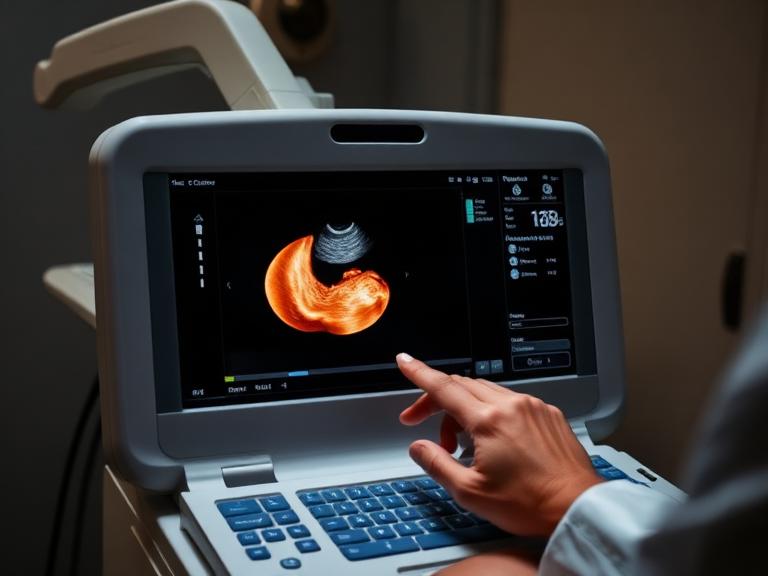
1. Core Structure of Routine Maternity Checkups
A routine maternity checkup systematically evaluates maternal well-being and fetal progress. Each checkup includes standard clinical measurements alongside trimester-specific assessments.
                   ROUTINE MATERNITY CHECKUP ECOSYSTEM
                                     │
     ┌───────────────────────────────┼───────────────────────────────┐
     │                               │                               │
     ▼                               ▼                               ▼
MATERNAL VITAL & METABOLIC       FETAL BIOPHYSICAL               LABORATORY & SCREENING
ASSESSMENTS                      SURVEILLANCE                    DIAGNOSTICS
┌──────────────────────┐        ┌──────────────────────┐        ┌──────────────────────┐
│ • Blood Pressure     │        │ • Fetal Heart Rate   │        │ • Complete Blood     │
│   Monitoring         │        │   Auscultation       │        │   Count (CBC)        │
│ • Maternal Weight    │        │ • Fundal Height      │        │ • Urine Protein &    │
│   Gain Tracking      │        │   Measurement        │        │   Glucose Dipstick   │
│ • Lower Extremity    │        │ • Fetal Position &   │        │ • Oral Glucose       │
│   Edema Checks       │        │   Presentation       │        │   Tolerance Test     │
│ • Physical & Mental  │        │ • Ultrasound Growth  │        │ • Group B Strep      │
│   Health Status      │        │   & Doppler Scans    │        │   (GBS) Culture      │
└──────────────────────┘        └──────────────────────┘        └──────────────────────┘
1. Maternal Vital & Metabolic Assessments
- Blood Pressure Tracking: Every routine checkup begins with blood pressure measurement. Consistent tracking detects early signs of gestational hypertension and preeclampsia ($140/90\text{ mmHg}$ or higher warrants clinical evaluation).
- Weight Gain Trajectory: Weight is logged against pre-pregnancy Body Mass Index (BMI) guidelines to ensure healthy fetal growth while reducing risks associated with excessive gestational weight gain, such as gestational diabetes and macrosomia.
- Physical Examination: Providers perform targeted checks for lower-extremity edema (swelling), check thyroid size, and address physical symptoms such as pelvic pressure, nausea, or back discomfort.
- Maternal Mental Health Screening: Routine checkups include brief mental health check-ins using validated tools to screen for prenatal anxiety and depression.
2. Fetal Biophysical Surveillance
- Fetal Heart Rate Auscultation: Using a handheld Doppler audio device or cardiotocograph, providers listen to fetal heart tones (normal baseline: 110 to 160 beats per minute) starting around weeks 10 to 12.
- Fundal Height Measurement: Measured in centimeters from the pubic symphysis to the top of the uterus starting at week 20. The measurement typically matches gestational age within a $2\text{ cm}$ range (e.g., 28 cm at 28 weeks).
- Leopold Maneuvers: Manual abdominal palpation performed during the third trimester to check fetal position (head-down vertex vs. breech) and engagement in the pelvis.
3. Laboratory & Screening Diagnostics
- Routine Urinalysis: Dipstick or quantitative lab urine checks evaluate protein levels (preeclampsia marker), glucose spikes (diabetes marker), and nitrites or leukocytes (urinary tract infections).
- Trimester Diagnostic Blood Panels: Periodic blood draws check hemoglobin and hematocrit levels for anemia, re-verify antibody status, and screen for metabolic changes.
2. Standard Visit Schedule & Clinical Timeline
For a low-risk pregnancy, routine maternity checkups follow an established visit schedule designed to align with major developmental milestones:
                  ROUTINE MATERNITY CHECKUP SCHEDULE
                                   │
 ┌─────────────────┬───────────────┴───────────────┬─────────────────┐
 │                 │                               │                 │
 ▼                 ▼                               ▼                 ▼
INITIAL VISIT     WEEKS 4 TO 28                   WEEKS 28 TO 36    WEEKS 36 TO BIRTH
(WEEKS 6-8)       (EVERY 4 WEEKS)                 (EVERY 2 WEEKS)   (EVERY WEEK)
┌──────────────┐  ┌─────────────────────────────┐  ┌──────────────┐  ┌──────────────┐
│ • Early      │  │ • Monthly Vital Signs       │  │ • Bi-Weekly  │  │ • Weekly     │
│   Ultrasound │  │ • Routine Urinalysis        │  │   Checkups   │  │   Checkups   │
│ • Baseline   │  │ • NT Scan (Wks 11-13+6)     │  │ • Fetal Growth│  │ • GBS Swab   │
│   Blood Work │  │ • Anomaly Scan (Wks 18-22)  │  │   Scans      │  │ • Cervical   │
│ • Health     │  │ • GDM Screening (Wks 24-28) │  │ • Anti-D Shot│  │   Readiness  │
│   History    │  │ • Kick Count Instructions   │  │   (Wk 28)    │  │ • Birth Plan │
└──────────────┘  └─────────────────────────────┘  └──────────────┘  └──────────────┘
| Gestational Stage | Visit Frequency | Target Assessments & Clinical Objectives |
| Initial Visit (Weeks 6 – 8) | First Checkup | Confirms intrauterine pregnancy via ultrasound, estimates due date, runs baseline blood panel, and reviews medical history |
| Weeks 8 – 28 | Every 4 Weeks (Monthly) | Measures blood pressure, weight, fundal height, and fetal heart rate; includes NT Scan (Weeks 11–13+6) and Anomaly Scan (Weeks 18–22) |
| Weeks 24 – 28 | Standard Screening Visit | Conducts Oral Glucose Tolerance Test (OGTT) for gestational diabetes; re-checks complete blood count for anemia |
| Week 28 | Third-Trimester Transition | Administers Anti-D (RhIG) injection to Rh-negative mothers; provides guidance on tracking daily fetal kick counts |
| Weeks 28 – 36 | Every 2 Weeks (Bi-Weekly) | Tracks fetal growth velocity, monitors blood pressure, checks for edema, and performs third-trimester ultrasound if indicated |
| Weeks 36 – 37 | Specialized Screening Visit | Performs vaginal-rectal swab for Group B Streptococcus (GBS) screening; checks fetal presentation (vertex vs. breech) |
| Weeks 36 – Birth | Every Week (Weekly) | Assesses cervical readiness (Bishop score), monitors fetal engagement, evaluates blood pressure, and reviews birth plan options |
3. High-Risk Maternity Checkup Protocols
When maternal medical conditions or prenatal screening variations are identified, routine care is enhanced with high-risk clinical pathways managed in consultation with maternal-fetal medicine (MFM) specialists.
                    HIGH-RISK CARE SURVEILLANCE MATRIX
                                    │
     ┌──────────────────────────────┼──────────────────────────────┐
     │                              │                              │
     ▼                              ▼                              ▼
HYPERTENSIVE DISORDERS         GESTATIONAL DIABETES           FETAL GROWTH & PLACENTAL
(PREECLAMPSIA RISK)            (METABOLIC CARE)               CONCERNS (IUGR / TWINS)
┌──────────────────────┐       ┌──────────────────────┐       ┌──────────────────────┐
│ • Weekly / Bi-Weekly │       │ • Bi-Weekly Clinical │       │ • Bi-Weekly Growth   │
│   Clinic Checkups    │       │   Glucose Log Reviews│   │   Ultrasound Imaging │
│ • Daily Home Blood   │       │ • Continuous Glucose │       │ • Weekly Umbilical   │
│   Pressure Tracking  │       │   Monitoring (CGM)   │       │   Doppler Perfusion  │
│ • Serum Liver &      │       │ • Growth Scans Every │       │ • Twice-Weekly Non-  │
│   Renal Blood Panels │       │   3 to 4 Weeks       │       │   Stress Tests (NST) │
└──────────────────────┘       └──────────────────────┘       └──────────────────────┘
1. Hypertensive Disorders of Pregnancy
- Increased Checkup Frequency: Checkups increase to weekly or bi-weekly visits starting in the second trimester.
- Home Blood Pressure Tracking: Expectant mothers keep daily logs using digital upper-arm monitors, reporting any readings at or above $140/90\text{ mmHg}$.
- Targeted Laboratory Panels: Serial blood tests measure liver transaminases (ALT/AST), serum creatinine, uric acid, and platelet counts, combined with spot urine protein-to-creatinine ratio (UPCR) testing.
2. Gestational Diabetes Mellitus (GDM)
- Glycemic Log Audits: Providers review four-point daily self-monitored blood glucose (SMBG) logs (fasting and 1- or 2-hour postprandial readings) at every visit.
- Serial Growth Ultrasound Scans: Scans every 3 to 4 weeks monitor fetal abdominal circumference and estimated fetal weight to detect macrosomia early.
3. Intrauterine Growth Restriction (IUGR) & Twin Gestations
- Doppler Velocimetry: Weekly or bi-weekly Doppler scans evaluate blood flow in the umbilical artery, middle cerebral artery, and ductus venosus to monitor fetal circulation.
- Cardiotocography (CTG) / Non-Stress Testing (NST): Electronic fetal heart rate monitoring is performed once or twice weekly during the third trimester to confirm fetal well-being.
4. Modern Tools & Innovations in Maternity Care
Digital health technology has enriched routine checkups, connecting home self-tracking with clinic visits:
- Remote Patient Monitoring (RPM): Bluetooth-enabled blood pressure cuffs and continuous glucose monitors (CGMs) automatically transmit daily vitals to the electronic health record (EHR), alerting providers to sudden variations between visits.
- Telehealth Hybrid Visits: Low-risk routine checkups can alternate between in-person appointments and virtual video visits for symptom reviews, lab result discussions, and birth plan planning.
- Digital Kick-Count & Symptom Trackers: Mobile apps help mothers log fetal movements and record symptoms, giving care teams detailed data to review during checkups.
5. Practical Lifestyle & Environmental Guidance
Every routine checkup is an opportunity to review daily habits and adapt to local environmental factors:
- Hydration Management: Hot or humid weather increases fluid needs. Dehydration can cause false contractions (Braxton Hicks) or lower amniotic fluid volume. Aim for 3 to 3.5 liters of water daily.
- Balanced Nutrition: Incorporating iron-rich, nutrient-dense local foods—such as lentils, leafy green vegetables, eggs, dairy, and whole grains—helps prevent gestational anemia and supports steady weight gain.
- Daily Activity & Rest: Engaging in 30 minutes of moderate activity, like walking, supports blood pressure regulation and glucose metabolism. Be sure to balance exercise with adequate rest.

Frequently Asked Questions (15 FAQs)
1. What is the main purpose of routine maternity checkups?
Routine maternity checkups allow healthcare providers to monitor maternal and fetal health, track fetal growth, detect complications early (such as preeclampsia or gestational diabetes), perform necessary screenings, and help families prepare for labor and delivery.
2. How many routine checkups will I have during a low-risk pregnancy?
Most low-risk pregnancies include 12 to 14 checkups: monthly visits through week 28, bi-weekly visits from weeks 28 to 36, and weekly visits from week 36 until birth.
3. What happens during a typical routine maternity checkup?
A standard checkup includes measuring blood pressure, tracking weight gain, checking urine for protein and glucose, measuring fundal height, listening to fetal heart tones, evaluating swelling, and discussing any questions or symptoms.
4. Why is my blood pressure checked at every single checkup?
Regular blood pressure checks screen for hypertensive disorders of pregnancy, including preeclampsia. Detecting elevated readings early helps prevent severe maternal and fetal complications.
5. How is fundal height measured, and what does it indicate?
Fundal height is measured in centimeters from the pubic symphysis to the top of the uterus. From week 20 onward, the measurement usually matches gestational age within $2\text{ cm}$, providing a simple check on fetal growth.
6. What tests are performed during the first maternity checkup?
The first checkup includes a confirmation ultrasound, blood typing and Rh factor screening, complete blood count (CBC), thyroid testing (TSH), infectious disease screening (HIV, Hepatitis B, Syphilis, Rubella immunity), and urine testing.
7. When do ultrasound scans take place during routine maternity care?
In a low-risk pregnancy, routine ultrasounds typically occur twice: a dating/viability scan in the first trimester (weeks 6–8) and a detailed Level II Anomaly scan in the second trimester (weeks 18–22). Additional scans are ordered if clinically needed.
8. What is the Oral Glucose Tolerance Test (OGTT), and when is it performed?
The OGTT screens for gestational diabetes between weeks 24 and 28. Fasting blood sugar is tested first, followed by repeat draws 1 and 2 hours after drinking a standardized glucose liquid.
9. What is Group B Strep (GBS), and why am I tested for it near the end of pregnancy?
GBS is a common bacterium that can live harmlessly in the vagina or rectum but can cause serious infections in newborns during birth. Testing via a swab at weeks 36–37 identifies mothers who need intravenous antibiotics during labor to protect the baby.
10. Why do I need an Anti-D (RhIG) injection at my 28-week checkup if I am Rh-negative?
An Anti-D injection prevents an Rh-negative mother’s immune system from developing antibodies against Rh-positive fetal blood cells, protecting future pregnancies from Rh isoimmunization.
11. What should I do if my checkup shows a high blood pressure reading?
If blood pressure is elevated ($\ge 140/90\text{ mmHg}$), your provider will recheck it after a rest period, run blood and urine tests for preeclampsia, and arrange closer monitoring or treatment as needed.
12. How should I prepare for my routine maternity checkups?
Bring a list of any questions or symptoms, wear comfortable two-piece clothing for easy physical exams, stay hydrated, and bring daily logs (such as blood pressure or blood sugar readings) if you maintain them.
13. Can my partner or support person attend routine checkups with me?
Yes, partners and support persons are welcome at checkups. Their presence helps them stay informed, ask questions, and take an active part in pregnancy care and birth planning.
14. What warning symptoms should prompt me to seek care between scheduled checkups?
Contact your healthcare provider immediately if you experience severe headaches, visual disturbances, sudden facial or hand swelling, vaginal bleeding, fluid leakage, severe abdominal pain, fever, or a noticeable decrease in fetal movement.
15. Do maternity checkups continue after the baby is born?
Yes. Postpartum care includes an initial check-in within the first 2 to 3 weeks and a comprehensive checkup at 6 weeks post-delivery to evaluate wound healing, blood pressure, emotional well-being, lactation, and family planning.