

Table of Contents
Top Skin Specialist in Hyderabad | Dr. Showrya Gadde
Healthy skin and hair are essential not only for aesthetic appeal but also for fundamental physical protection and overall emotional well-being. However, navigating cutaneous health in a rapidly expanding urban center like Hyderabad presents complex challenges. Between intense UV exposure, ambient air pollution, high humidity, and mineral-heavy municipal water, maintaining a clear, balanced complexion and a healthy scalp often requires professional medical intervention.
When self-care routines, over-the-counter serums, and salon treatments fail to resolve persistent skin or scalp issues, consulting a qualified skin specialist in Hyderabad is the most safe and effective course of action. At Dr. Showrya Gadde Dermatology & Wellness, located in Jubilee Enclave near HITEC City, Madhapur, and Kondapur, clinical excellence is paired with patient-focused medical science to address the root causes of skin and hair conditions.
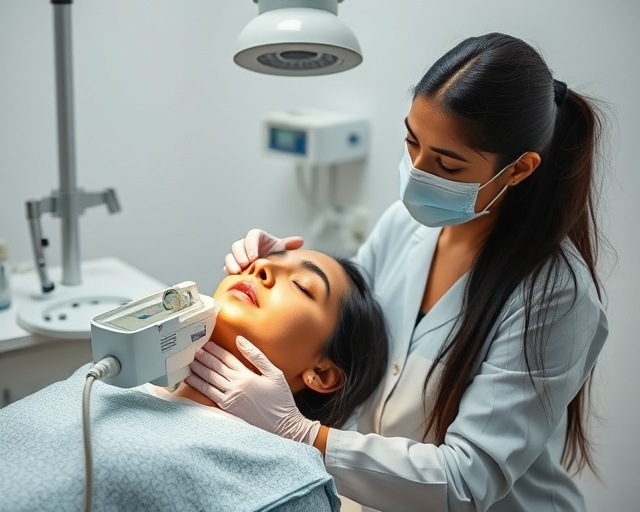
Direct Answer: What Is a Skin Specialist and When Should You Consult One?
A skin specialist (dermatologist) is a qualified medical doctor holding post-graduate degrees (such as an MD or DNB in Dermatology, Venereology, and Leprosy) who specializes in diagnosing, managing, and treating over 3,000 conditions affecting the skin, hair, nails, and mucous membranes.
Unlike cosmetologists or salon estheticians—who focus purely on surface-level grooming—a medical skin specialist evaluates systemic biology, orders lab investigations, performs dermatoscopy, prescribes controlled medications, and carries out advanced laser or minor surgical procedures. You should consult a skin specialist whenever you notice persistent acne, sudden hair loss, changing dark spots, chronic itching, or structural skin concerns that do not improve with standard care.
Regional Environmental Stressors Impacting Skin Health in Hyderabad
Patients residing in areas like Kondapur, Madhapur, Gachibowli, Jubilee Hills, and HITEC City face unique environmental factors that directly influence dermatological health:
1. Dissolved Mineral Hardness in Groundwater
Hyderabad’s groundwater and tanker supplies frequently contain high concentrations of dissolved minerals, primarily calcium and magnesium. Daily washing with hard water leads to several complications:
- Acid Mantle Disruption: Hard water alters the skin’s natural acidic barrier (pH ~5.5), increasing transepidermal water loss (TEWL) and leaving the skin vulnerable to irritation and microbial growth.
- Soap Scum Accumulation: Minerals react with surfactants to form an insoluble residue that clogs pores, contributing to comedonal acne and dull skin texture.
- Scalp and Hair Shaft Wear: Mineral deposits cling to the hair shaft, increasing friction, causing brittleness, and irritating the scalp, which exacerbates hair shedding and dandruff.
2. High UV Index and Solar Heat Waves
The local climate brings prolonged periods of intense ultraviolet radiation. Unprotected UV exposure stimulates melanocyte activity, leading to stubborn hyperpigmentation, melasma, and solar lentigines. Additionally, UVA rays degrade dermal collagen and elastin fibers, speeding up premature aging.
3. Particulate Matter and Micro-Pollutants
Urban dust and vehicular emissions ($PM_{2.5}$ and $PM_{10}$) settle on skin surface lipids. These pollutants generate reactive oxygen species (ROS), causing oxidative stress that worsens inflammatory conditions such as acne vulgaris, rosacea, and eczema.
Common Dermatological Concerns Diagnosed by a Skin Specialist
At Dr. Showrya Gadde Dermatology & Wellness, clinical care begins with identifying the primary internal and external drivers of your condition.
[Systemic Factors: Genetics, Hormones, Stress]  \
                                                  --> [Cutaneous Inflammation] --> [Targeted Medical Protocol]
[Environmental Triggers: Sun, Pollution, Water] /
1. Inflammatory Acne and Post-Acne Scarring
Acne is an inflammatory condition driven by excess androgen-mediated sebum production, follicular hyperkeratinization, and colonization by Cutibacterium acnes. If neglected or improperly picked, active acne often leaves behind post-inflammatory hyperpigmentation (PIH) or permanent structural scars (such as ice-pick, boxcar, and rolling scars).
2. Pigmentary Disorders and Melasma
Melasma appears as symmetrical dark patches on the cheeks, forehead, or upper lip, triggered by hormonal changes, sun exposure, or heat. South Asian skin phototypes (Fitzpatrick Types IV–V) are especially prone to hyperpigmentation, making expert clinical evaluation essential to avoid worsening the condition with aggressive treatments.
3. Hair Loss and Scalp Conditions
Trichology concerns range from androgenetic alopecia (pattern baldness influenced by genetic sensitivity to dihydrotestosterone or DHT) to telogen effluvium (rapid hair shedding triggered by stress, post-viral illness, or nutritional deficiencies in Ferritin and Vitamin D3).
4. Premature Skin Aging and Structural Volume Loss
Collagen synthesis gradually decreases starting in our mid-twenties. Sun exposure, lifestyle habits, and natural aging result in skin laxity, fine lines, deep nasal folds, and volume loss in the cheeks and under-eye regions.
What to Expect During a Clinical Dermatology Consultation
Consulting a medical skin specialist involves a structured, evidence-based diagnostic evaluation:
- Detailed Medical History: Evaluation of your primary symptoms, current skincare routine, dietary habits, stress levels, and relevant family history.
- Dermoscopic Examination: A non-invasive optical examination using polarized dermoscopy to assess pigment depth, vascular structures, hair follicle density, and scalp health.
- Laboratory Investigations: Ordering targeted diagnostic blood panels (such as complete blood counts, thyroid profiles, serum ferritin, Vitamin D3, and hormonal metrics) when underlying systemic conditions are suspected.
- Customized Care Plan: Designing a individual treatment strategy that combines prescription medical therapies, lifestyle adjustments, and targeted clinical procedures.
Modern Clinical & Aesthetic Treatments Available
Advanced clinical dermatology brings together evidence-based topical and oral treatments alongside modern procedural technologies:
Advanced Acne Scar Resurfacing
Managing acne scars effectively requires a multi-modality approach tailored to specific scar types:
- Subcision: Gently releasing tethered fibrous bands underneath deep rolling scars to lift the skin surface.
- Microneedling Radiofrequency (MNRF): Delivering controlled radiofrequency thermal energy into the deep dermis to stimulate collagen production without harming the outer skin layer.
- Chemical Peels: Using precise concentrations of Salicylic, Glycolic, Lactic, or TCA solutions to unclog pores, smooth skin texture, and fade dark spots.
US-FDA Cleared Laser Therapies
- Laser Hair Reduction: Utilizing long-pulse Nd:YAG or Diode laser technologies configured specifically for darker skin phototypes to target hair follicles safely and reduce unwanted body and facial hair.
- Q-Switched Laser Toning: Delivering short pulses of light energy to shatter deep dermal melanin into micro-particles, which are naturally cleared by the body’s immune system to treat pigmentation and uneven skin tone.
Advanced Hair Restoration Protocols
- Growth Factor Concentrate (GFC) & PRP Therapies: Utilizing high concentrations of growth factors isolated from the patient’s own blood serum to nourish hair roots, boost local circulation, and encourage dormant follicles into the active growth phase.
- Medical Pharmacotherapy: Combining evidence-based topical formulations, oral DHT blockers (when clinically indicated), and specialized scalp care regimens.
Non-Surgical Rejuvenation & Injectables
- Botulinum Toxin: Temporarily relaxing hyperactive facial muscles to smooth out dynamic wrinkles like forehead lines, frown lines, and crow’s feet.
- Dermal Fillers: Restoring lost structural facial volume, softening deep creases, and defining facial contours using biocompatible hyaluronic acid gels.
- Medical-Grade MediFacials: Deep exfoliation and extraction coupled with direct antioxidant serum infusions to support long-term skin barrier health.
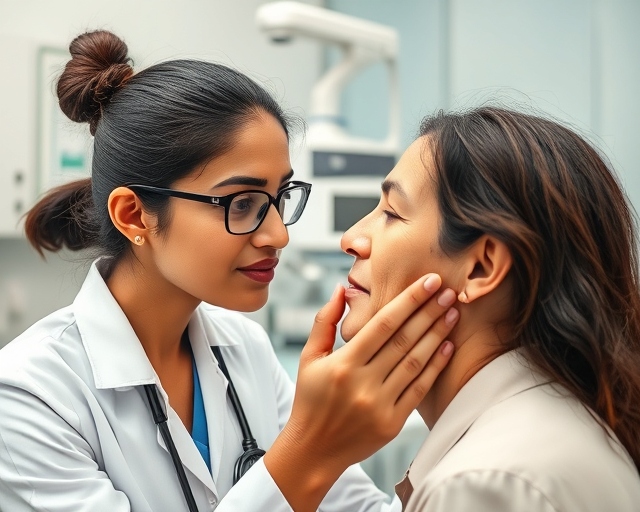
Treatment Safety, Suitability, and Realistic Expectations
A key foundation of professional dermatology is maintaining transparent, science-based expectations:
- Individual Biological Timelines: Skin cell turnover naturally takes 28 to 40 days, while hair growth cycles operate across 3 to 6 months. Visible, sustainable results require patience and adherence to your prescribed regimen.
- Realistic Outcomes over Unrealistic Claims: Medical science focuses on significant clinical improvement rather than impossible “perfection.” Responsible skin specialists do not offer absolute guarantees, as individual biological responses naturally vary.
- Manageable Post-Procedure Care: Mild redness, temporary swelling, light peeling, or slight tenderness can occur after procedures like chemical peels, microneedling, or laser treatments. These are normal responses that typically resolve within a few hours to a few days.
Pre-Care and Post-Care Guidelines for Optimal Results
To maximize safety and achieve the best possible outcomes from your clinical procedures, keep these standard steps in mind:
Pre-Procedure Care
- Stop Active Exfoliants: Discontinue topical retinoids, glycolic acid, salicylic acid, and strong active serums 3 to 5 days before any scheduled chemical peel, laser, or microneedling procedure.
- Avoid Excessive Sun Exposure: Refrain from direct, prolonged sun exposure or tanning for at least one week prior to treatment.
- Avoid Plucking or Waxing: When undergoing laser hair reduction, do not pluck, wax, or thread the target area for 2 to 3 weeks prior. Shaving is permitted as it leaves the hair follicle intact under the skin.
Post-Procedure Care
- Apply Broad-Spectrum Sunscreen: Protect your skin daily with an SPF 30+ broad-spectrum sunscreen. Reapply every 3 to 4 hours when outdoors.
- Use Mild Cleansers: Cleanse gently using mild, fragrance-free, non-soap cleansers for 3 to 5 days following your session.
- Support Barrier Recovery: Apply prescribed soothing gels, ceramides, or hyaluronic acid creams to keep skin hydrated and promote healing.
- Avoid Heat and Intense Sweat: Skip heavy workouts, hot showers, saunas, and swimming pools for 24 to 48 hours post-procedure to prevent irritation or secondary infection.
Patient-Centered Care at Dr. Showrya Gadde Dermatology & Wellness
Located in Jubilee Enclave near HITEC City, Hyderabad, Dr. Showrya Gadde Dermatology & Wellness is dedicated to providing high-quality, evidence-based dermatological care.
Dr. Showrya Gadde emphasizes clear patient communication, helping you understand the underlying causes of your skin or hair concern, explaining available medical options, and guiding you through every step of your care journey. Every treatment plan is tailored to your individual biological needs, ensuring safe, effective, and sustainable results.
Frequently Asked Questions (FAQs)
1. How do I choose the right skin specialist in Hyderabad for my skin condition?
Look for a physician with verified post-graduate medical qualifications in dermatology (MD, DNB, or DDVL), clear clinical experience, positive patient reviews, and a clinic equipped with standard medical technology.
2. What is the standard consultation fee for a skin specialist in Hyderabad?
In Hyderabad, consultation fees for a qualified skin specialist typically range between ₹600 and ₹1,000 depending on experience and location. At Dr. Showrya Gadde Dermatology & Wellness, consultation fees are structured transparently.
3. What causes sudden adult acne breakouts, and how are they treated?
Adult acne is often triggered by hormonal fluctuations, elevated stress (cortisol), unsuitable cosmetics, or diet. Treatment involves prescription topical retinoids, anti-inflammatory formulations, oral medications when necessary, and targeted chemical peels.
4. Why is my hair falling out rapidly, and can a skin specialist help?
Rapid hair loss can stem from genetic factors, stress, nutritional deficiencies (like low ferritin or Vitamin D3), or thyroid imbalances. A skin specialist uses dermoscopy and blood tests to pinpoint the root cause and prescribe effective treatments.
5. Are laser skin treatments safe for darker Indian skin tones?
Yes, modern US-FDA approved lasers (such as 1064 nm Nd:YAG) are safe and effective for Indian skin tones (Fitzpatrick Types IV–V) when operated by a trained medical professional.
6. How many sessions are required for laser hair reduction?
Most patients require 6 to 8 sessions spaced 4 to 6 weeks apart, as laser energy specifically targets hair follicles during their active growth phase (anagen phase).
7. What is the difference between a medical chemical peel and a salon facial?
Salon facials provide surface-level hydration with temporary cosmetic effects. Medical chemical peels use precise pharmaceutical-grade formulations to exfoliate deeper skin layers, treat active acne, fade pigmentation, and boost collagen synthesis under medical supervision.
8. Can deep acne scars be completely removed?
While 100% removal is rarely possible, combining procedures like subcision, Microneedling Radiofrequency (MNRF), and fractional lasers can achieve a 70% to 85% improvement in skin texture and scar depth.
9. How can I protect my skin from Hyderabad’s hard water?
To minimize hard water damage, use mild, non-soap syndet cleansers, install a tap or shower filter to reduce mineral buildup, and apply barrier-repairing moisturizers containing ceramides right after washing.
10. What is the most effective treatment for melasma and dark patches?
Managing melasma requires strict daily broad-spectrum sun protection, prescription topical depigmenting creams, gentle chemical peels, and low-fluence laser toning overseen by a dermatologist.
11. Is PRP/GFC treatment painful for scalp hair loss?
A topical numbing cream is applied to the scalp prior to the micro-injections, ensuring the procedure involves minimal discomfort. Most patients tolerate the treatment very well.
12. Are dermal fillers safe, and do they look natural?
When administered by a skilled medical skin specialist who understands facial anatomy, hyaluronic acid dermal fillers are safe and integrate naturally into tissue to restore lost volume without appearing unnatural.
13. What should I do if my skin reacts negatively to a new cosmetic product?
Stop using the product immediately, wash your face gently with plain cool water, avoid scrubbing or applying self-treatment remedies, and consult a skin specialist if redness, burning, or swelling continues.
14. How long does it take to see results from hair loss treatments?
Hair growth cycles are slow. Reduction in daily hair shedding usually becomes noticeable within 6 to 8 weeks, while visible improvement in density and thickness typically requires 3 to 6 months of consistent treatment.
15. When should I have a mole evaluated by a skin specialist?
You should schedule an evaluation promptly if a mole changes in size, shape, or color, exhibits irregular borders, bleeds, itches, or appears noticeably different from other spots on your skin.