

Table of Contents
Guide to Finding the Best Laparoscopic Surgery Specialist in Hyderabad
The field of modern abdominal and pelvic surgery has evolved beyond large abdominal incisions, lengthy hospital stays, and protracted recovery periods. Minimal Access Surgery (MAS)—commonly referred to as Laparoscopic Surgery or “keyhole surgery”—has become the standard of care for diagnosing and treating diseases of the gastrointestinal, biliary, metabolic, and reproductive systems.
Hyderabad has solidified its reputation as an international destination for medical excellence. Top-tier medical hubs in areas like Banjara Hills, Jubilee Hills, Gachibowli, Secunderabad, and Madhapur house specialized institutes equipped with 4K Ultra-HD camera towers, 3D laparoscopic systems, advanced vessel-sealing energy devices, and robotic surgical consoles.
For patients seeking a Laparoscopic Surgery Specialist in Hyderabad, consulting a fellowship-trained consultant guarantees precise surgical execution, lower complication rates, negligible blood loss, and a rapid return to work. This comprehensive guide provides an in-depth breakdown of specialized procedures, state-of-the-art technologies, transparent cost structures across Hyderabad hospitals, recovery timelines, and answers to key medical questions.
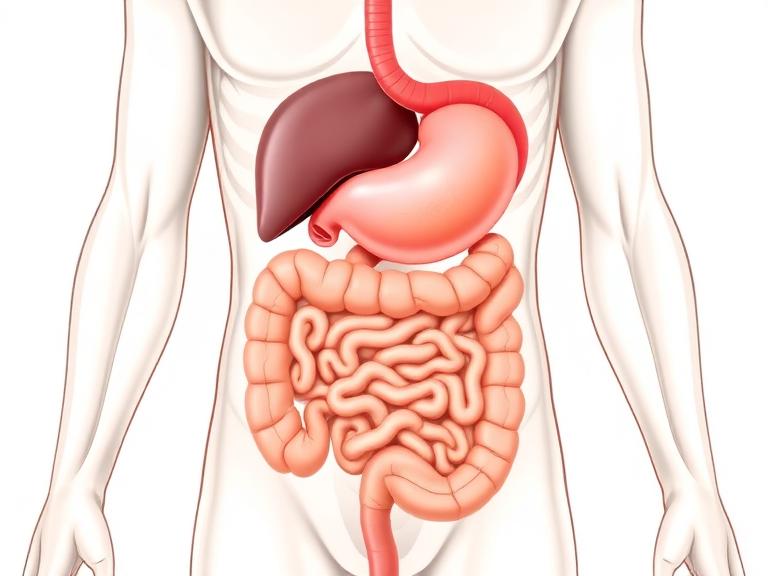
What is a Laparoscopic Surgery Specialist?
A Laparoscopic Surgery Specialist is a qualified General Surgeon or Surgical Gastroenterologist who has undergone advanced sub-specialty fellowship training in Minimal Access Surgery (MAS), Laparo-endoscopic Surgery, or Robotic Gastrointestinal Surgery.
                     QUALIFICATION PATHWAY OF A LAPAROSCOPIC SPECIALIST
                                             │
                       ┌─────────────────────┴─────────────────────┐
                       ▼                                           ▼
          MBBS + MS / DNB (General Surgery)           MCh / DNB (Surgical Gastroenterology)
                       │                                           │
                       └─────────────────────┬─────────────────────┘
                                             ▼
                        Advanced Sub-Specialty Fellowships & Certifications
                (FMAS, FIAGES, FALS, FIAMS, Fellowship in Minimal Access Surgery)
                                             │
                                             ▼
                      Expertise in 4K/3D Keyhole, SILS, and Robotic Surgery
These specialists possess advanced spatial awareness, two-dimensional and three-dimensional depth perception over monitor interfaces, and mastery over specialized instruments (micro-forceps, harmonic scalpels, radiofrequency vessel sealers, and endo-staplers).
Core Spectrum of Laparoscopic Procedures Performed in Hyderabad
Advanced minimal access centers in Hyderabad cater to a vast range of surgical sub-specialties:
+-----------------------------------------------------------------------------------+
|                  SPECTRUM OF ADVANCED LAPAROSCOPIC PROCEDURES                     |
+-----------------------------------------------------------------------------------+
| 1. Biliary & Gallbladder Diseases : Laparoscopic Cholecystectomy, CBD Exploration  |
| 2. Emergency Abdominal Care     : Laparoscopic Appendectomy, Perforation Closure  |
| 3. Hernia Wall Reconstruction   : TEP / TAPP Inguinal, Ventral/Incisional IPOM    |
| 4. Upper GI & Acid Reflux       : Nissen / Toupet Fundoplication, Heller Myotomy  |
| 5. Metabolic & Bariatric Surgery: Laparoscopic Sleeve Gastrectomy, Roux-en-Y Bypass|
| 6. Colorectal & Intestinal Care : Laparoscopic Hemicolectomy, Anterior Resection |
| 7. Specialized Gynecological Care: Laparoscopic Hysterectomy, Myomectomy, Cystectomy|
+-----------------------------------------------------------------------------------+
1. Laparoscopic Cholecystectomy (Gallbladder Removal)
Gallstones (cholelithiasis) and gallbladder inflammation (cholecystitis) are among the most common indications for keyhole surgery. Through 3 or 4 tiny punctures (0.5 to 1 cm), the cystic duct and artery are clipped and divided, allowing the inflamed gallbladder to be extracted inside an endo-bag.
2. Laparoscopic Appendectomy
In acute appendicitis, rapid surgical intervention prevents appendix rupture and peritonitis. Keyhole appendectomy allows complete abdominal washout, minimal wound infection risk, and discharge within 24 to 36 hours.
3. Advanced Hernia Repair (TEP, TAPP & IPOM)
- TEP (Totally Extraperitoneal): Inguinal hernia repair performed completely outside the peritoneal cavity, avoiding intestinal contact.
- TAPP (Transabdominal Preperitoneal): Accesses the groin defect from inside the abdominal cavity, ideal for complex or bilateral hernias.
- IPOM (Intraperitoneal Onlay Mesh): Treats ventral, umbilical, and post-surgical incisional hernias using composite anti-adhesive dual-surface meshes.
4. Laparoscopic Anti-Reflux Surgery (Fundoplication)
For patients with severe Gastroesophageal Reflux Disease (GERD) or hiatal hernias unresponsive to medications, wrapping the upper curve of the stomach around the lower esophagus restores sphincter function and stops acid reflux.
5. Metabolic and Bariatric Surgery
Specialists perform Laparoscopic Sleeve Gastrectomy and Roux-en-Y Gastric Bypass for patients managing morbid obesity, type-2 diabetes, fatty liver disease, and sleep apnea.
Technological Advancements in Minimal Access Surgery
The quality of a laparoscopic procedure depends heavily on the technology available in the operating suite.
+-----------------------------------------------------------------------------------+
|                      KEY TECHNOLOGICAL PILLARS OF MODERN MAS                      |
+-----------------------------------------------------------------------------------+
| • 4K Ultra-HD & 3D Visual Imaging Systems: Provides exceptional contrast, color   |
|   reproduction, and anatomical depth perception for neurovascular preservation.   |
|                                                                                   |
| • Advanced Energy Systems (Harmonic / Thunderbeat): Simultaneously cuts tissue and|
|   seals blood vessels up to 7 mm without thermal spread to adjacent structures.   |
|                                                                                   |
| • ICG Fluorescence Imaging (Indocyanine Green): Uses infrared light to map bile   |
|   duct anatomy and tissue perfusion in real time, enhancing procedural safety.    |
|                                                                                   |
| • Single-Incision Laparoscopic Surgery (SILS): Performs the entire operation through|
|   a single port hidden inside the navel for scarless cosmetic outcomes.           |
+-----------------------------------------------------------------------------------+
Comparison: Open Surgery vs. Laparoscopic Surgery vs. Robotic Surgery
Understanding the differences between surgical modalities helps patients make informed treatment choices:
                          SURGICAL MODALITY PATHWAYS
                                       │
         ┌─────────────────────────────┼─────────────────────────────┐
         ▼                             ▼                             ▼
    Open Surgery               Laparoscopic Surgery            Robotic Surgery
 (Large Single Cut)           (3-4 Keyhole Ports)           (3D Multi-Wristed)
         │                             │                             │
 Traditional Approach          Current Standard Care         High-End Precision
 Higher Post-Op Pain           Minimal Post-Op Pain          Micro-Dissection
 2-4 Weeks Recovery            3-7 Days Recovery             3-5 Days Recovery
| Parameter | Traditional Open Surgery | Advanced Laparoscopic Surgery | Robotic-Assisted Surgery |
| Incision Characteristics | Single large incision (8–20 cm) | 3 to 4 tiny ports (0.5–1 cm) | 3 to 4 micro-ports (0.8 cm) |
| Visual Field | Direct vision (limited depth in deep pelvis) | 2D/3D High-Definition Magnified Monitor | 3D Immersive High-Definition 10x Zoom |
| Instrument Mobility | Standard hand instruments | Rigid instruments (limited degrees of freedom) | Wristed instruments (7 degrees of freedom) |
| Tissue Trauma & Bleeding | Higher tissue disruption | Minimal tissue disruption | Micro-precise, minimal bleeding |
| Post-Operative Pain | Moderate to Severe | Low to Mild | Negligible to Low |
| Hospital Stay | 3 to 7 Days | Daycare to 48 Hours | Daycare to 24 Hours |
| Return to Normal Work | 3 to 6 Weeks | 3 to 7 Days | 3 to 5 Days |
| Wound Complications | Higher risk of infection & incisional hernia | Low risk of wound infection | Extremely low wound complication risk |
| Average Cost Range (INR) | ₹30,000 – ₹75,000 | ₹40,000 – ₹1,50,000 | ₹1,25,000 – ₹2,50,000+ |

Cost Breakdown of Laparoscopic Surgery in Hyderabad
The overall cost of laparoscopic procedures across Hyderabad hospitals varies based on procedural complexity, surgical consumables, hospital room categories, and surgeon qualifications.
Estimated Cost Table Across Common Procedures
| Procedure Name | Indication / Medical Reason | Average Cost Range (General Ward to AC Private) | Typical Hospital Stay |
| Laparoscopic Cholecystectomy | Gallstones, Gallbladder Polyps | ₹40,000 – ₹1,20,000 | Daycare to 1 Day |
| Laparoscopic Appendectomy | Acute or Recurrent Appendicitis | ₹40,000 – ₹1,10,000 | 1 to 2 Days |
| Laparoscopic Inguinal Hernia Repair | Groin Hernia (Unilateral/Bilateral) | ₹50,000 – ₹1,30,000 | 1 Day |
| Laparoscopic Ventral/Umbilical Hernia | Abdominal Wall Defect | ₹60,000 – ₹1,40,000 | 1 to 2 Days |
| Laparoscopic Hiatal Hernia / Anti-Reflux | Severe GERD, Diaphragmatic Hernia | ₹80,000 – ₹1,60,000 | 2 Days |
| Laparoscopic Sleeve Gastrectomy | Morbid Obesity, Metabolic Syndrome | ₹1,80,000 – ₹3,20,000 | 2 to 3 Days |
| Laparoscopic Colorectal Resection | Colon Polyps, Diverticulitis, Tumors | ₹1,50,000 – ₹3,50,000 | 3 to 5 Days |
| Laparoscopic Hysterectomy | Uterine Fibroids, Endometriosis | ₹60,000 – ₹1,50,000 | 1 to 2 Days |
Step-by-Step Surgical Experience: From Pre-Op to Full Recovery
1.Initial Clinical Consultation & Imaging Evaluation:Duration: 30 to 45 Minutes.
The specialist reviews your medical history, symptoms, and physical signs. Abdominal ultrasound (USG), contrast CT scans, or endoscopic studies are ordered to map the internal anatomy and verify surgical necessity.
2.Pre-Anesthesia Checkup (PAC) & Fitness Clearance:Duration: Day Prior or Morning of Surgery.
Routine blood profiles, liver/kidney function tests, viral markers, coagulation parameters, chest X-ray, and ECG are reviewed by an anesthesiologist to ensure safety under General Anesthesia. Fasting guidelines (typically 6 to 8 hours) are communicated.
3.Laparoscopic Surgical Execution:Duration: 30 to 120 Minutes.
The patient receives general anesthesia. Medical-grade CO2 gas is introduced to inflate the abdomen, creating a visible working space. The surgical team inserts a high-definition laparoscope and specialized instruments through tiny port sites to complete the repair or organ removal.
4.PACU Recovery, Mobilization & Oral Intake:Duration: 4 to 24 Hours.
After waking in the recovery lounge, the patient moves to a ward or private room. Early walking is encouraged within 4 to 6 hours to enhance venous circulation and assist in gas absorption. Soft liquid diets are started once bowel activity resumes.
5.Discharge, Home Recovery & Resume Normal Activity:Duration: Days 2 to 7.
Discharge is completed with oral pain relievers and wound care instructions. Small port-site dressings are removed within a week, and most patients comfortably resume office work within 3 to 7 days.
Insurance Benefits, Cashless Facilities, and Financial Assistance
Laparoscopic operations are medically necessary surgical treatments and qualify for health insurance benefits across hospitals in Hyderabad:
+-----------------------------------------------------------------------------------+
|                     INSURANCE & CASHLESS ADVANTAGES IN HYDERABAD                  |
+-----------------------------------------------------------------------------------+
| • Cashless TPA Network: Major hospitals maintain direct ties with insurance       |
|   providers for pre-authorization and cashless discharge.               |
|                                                                                   |
| • Daycare Surgery Approval: Keyhole operations like appendectomy or gallbladder    |
|   removal qualify for cashless coverage under 24-hour daycare policies.     |
|                                                                                   |
| • Government Schemes: Selected empaneled institutions support health coverage     |
|   schemes like Aarogyasri (Telangana) and Ayushman Bharat.                  |
|                                                                                   |
| • Zero-Cost EMI Support: Many healthcare providers offer 6-to-12-month interest-free|
|   financing plans to assist with non-insured expenses.                            |
+-----------------------------------------------------------------------------------+
Post-Operative Rehabilitation and Dietary Recommendations
Proper post-operative care ensures smooth healing and prevents digestive discomfort:
  RECOMMENDED POST-OP PRACTICES               PRACTICES TO TEMPORARILY AVOID
  ├── Hydrate with 2.5–3 Liters of Water Daily├── Heavy Weightlifting (>5 kg) for 3–4 Weeks
  ├── High-Protein Soft Foods (Dal, Eggs, Soup) ├── Deep-Fried, Greasy, or Extra-Spicy Meals
  ├── Light Daily Walks (15–30 minutes)       ├── Vigorous Abdominal Core Exercises
  └── Clean, Dry Port-Site Dressing Care       └── Smoking or Alcohol Consumption
Why Choose Hyderabad for Advanced Laparoscopic Surgery?
Hyderabad stands out as a leading center for advanced minimal access surgical care:
- Fellowship-Trained Experts: Top consultant surgeons hold credentials from premier national and international bodies (e.g., FIAGES, FMAS, Royal College of Surgeons).
- Advanced Hospital Infrastructure: NABH and JCI accredited multi-specialty centers feature modular operating theatres and advanced ICUs.
- Transparent Healthcare Packaging: Clear, all-inclusive package pricing for general wards, semi-private rooms, and deluxe suites.
- Comprehensive Medical Networks: Leading surgical centers are conveniently located across Banjara Hills, Jubilee Hills, Gachibowli, Secunderabad, Begumpet, and Kukatpally.
Frequently Asked Questions (FAQs)
1. Why should I consult a specialized Laparoscopic Surgery Specialist in Hyderabad?
Consulting a sub-specialized minimal access surgeon ensures precise surgical technique, shorter operating times, lower risk of tissue trauma, minimal post-operative pain, and faster overall recovery compared to open surgery.
2. What are the most common procedures performed by a laparoscopic surgeon?
The most common procedures include laparoscopic cholecystectomy (gallbladder removal), appendectomy, hernia mesh repairs (inguinal, umbilical, incisional), fundoplication for severe GERD, bariatric weight-loss surgery, hysterectomy, and colorectal resections.
3. How much does laparoscopic surgery cost in Hyderabad?
Laparoscopic surgery costs in Hyderabad typically range from ₹40,000 for standard daycare procedures (such as simple appendectomy or gallbladder removal) to ₹1,80,000+ for complex bariatric or gastrointestinal cancer resections.
4. Is laparoscopic surgery safe?
Yes, laparoscopic surgery is exceptionally safe when performed by experienced specialists. Modern 4K visualization and specialized vessel-sealing energy devices minimize risks of bleeding, infection, and damage to surrounding organs.
5. How long is the hospital stay after keyhole laparoscopic surgery?
Most routine keyhole procedures (such as gallbladder, appendix, or hernia repairs) require a stay of 24 to 48 hours, with many performed as same-day daycare admissions.
6. How soon can I return to work after laparoscopic surgery?
Patients with desk-based jobs typically return to light work within 3 to 7 days post-procedure. Heavy physical labor or intensive gym training should be delayed for 3 to 4 weeks depending on your surgeon’s advice.
7. Is laparoscopic surgery covered by health insurance policies in India?
Yes, medically indicated laparoscopic procedures are standard treatments covered under private health insurance policies, corporate group coverage, and government schemes across empaneled hospitals.
8. What type of anesthesia is used during laparoscopic surgery?
General Anesthesia (GA) is used for abdominal laparoscopic procedures to keep abdominal muscles relaxed, allow safe CO2 gas insufflation, and ensure patient comfort.
9. Is there an upper age limit for undergoing laparoscopic surgery?
There is no strict age limit. Elderly patients often tolerate keyhole surgery better than open surgery because smaller incisions cause less physiological stress and allow faster post-operative walking.
10. Why is carbon dioxide (CO2) gas used during keyhole surgery?
CO2 gas is introduced into the abdominal cavity to lift the abdominal wall away from internal organs, creating a clear visual and working space (pneumoperitoneum). CO2 is non-flammable, non-toxic, and naturally absorbed and exhaled by the body.
11. What is Single Incision Laparoscopic Surgery (SILS)?
SILS is an advanced keyhole technique where all surgical instruments and the camera are inserted through a single small entry point hidden inside the belly button, leaving no visible abdominal scars.
12. How does laparoscopic surgery compare to robotic surgery?
Both are minimal access techniques. Robotic surgery provides 3D magnification and wristed instruments with 7 degrees of freedom, making it well-suited for delicate pelvic dissections and complex reconstructive procedures.
13. What diet should I follow immediately after keyhole surgery?
Start with clear liquids once bowel activity resumes, transitioning to soft, high-protein, low-fat foods over 24 to 48 hours. Drink 2.5 to 3 liters of fluids daily to support recovery.
14. Why do some patients feel shoulder tip pain after laparoscopic surgery?
Shoulder tip pain is a common reaction caused by residual CO2 gas irritating the phrenic nerve near the diaphragm. It is temporary and disappears within 24 to 72 hours with gentle walking and warm compresses.
15. How do I choose the right laparoscopic surgeon in Hyderabad?
Look for board-certified general surgeons or surgical gastroenterologists with specialized fellowships in Minimal Access Surgery (FMAS, FIAGES, FALS). Choose specialists with high procedural volumes who practice at accredited hospitals offering transparent package pricing.
Conclusion
Advancements in Minimal Access Surgery have made abdominal operations safer, less painful, and far more convenient. Choosing an experienced Laparoscopic Surgery Specialist in Hyderabad ensures top-tier medical care, cutting-edge technology, and a quick return to your daily life.
Consult a qualified minimal access specialist today to discuss your diagnosis, explore treatment options, and plan your procedure with confidence.