

Table of Contents
Common EV Charger Problems & Troubleshooting Guide
Electric vehicle charging infrastructure has become an important part of modern transportation. From home AC chargers to high-power DC fast charging stations, EV charging equipment allows drivers to conveniently replenish their vehicle batteries.
However, like any electrical and electronic equipment, EV chargers can occasionally experience problems. An issue may originate from the power supply, charging cable, connector, vehicle, communication network, software, or charger itself. Understanding these problems can help EV owners and charging-station operators identify basic issues and determine when professional assistance is required.
This guide explains the common EV charger problems, their possible causes, basic troubleshooting steps, and ways to reduce the likelihood of recurring faults.
Safety note: Users should not open an EV charger enclosure or work on electrical components themselves. Electrical testing, internal repairs, component replacement, and other technical work should be performed by appropriately qualified professionals.
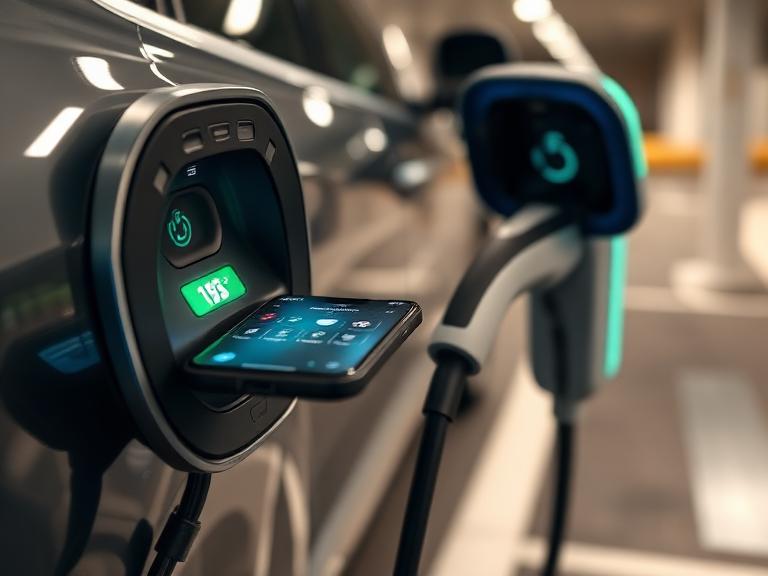
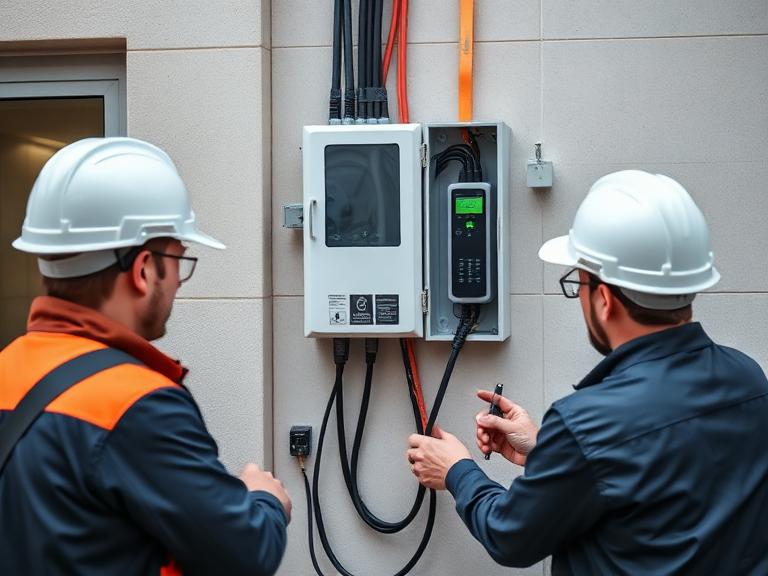
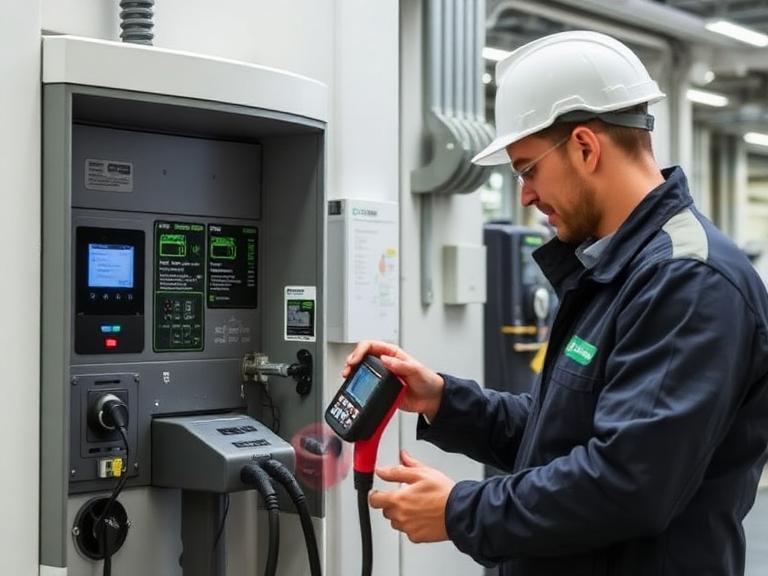
What Are Common EV Charger Problems?
Common EV charger problems include:
- Charger not powering on
- EV not starting a charging session
- Slow charging
- Charging stopping unexpectedly
- Connector problems
- Damaged charging cables
- Overheating
- Communication failures
- Wi-Fi or network problems
- RFID authentication issues
- Payment and billing errors
- Software or firmware problems
- Electrical supply interruptions
- Error codes and warning indicators
The correct solution depends on the type of charger, installation, vehicle, environmental conditions, and specific fault.
1. EV Charger Is Not Turning On
One of the most basic problems is a charger that appears completely inactive.
Possible causes
- Power interruption
- Tripped circuit breaker
- Electrical supply problem
- Emergency shutdown activated
- Internal equipment fault
- Damaged wiring
What can be checked safely?
The user can confirm whether the property or facility has power and whether the charger displays any indicator lights.
If the charger remains inactive after the power supply has been restored, a qualified technician should inspect the equipment.
2. EV Charger Is Not Charging the Vehicle
Sometimes the charger powers on normally but does not initiate a charging session.
Possible reasons include:
- Connector not fully inserted
- Vehicle charging settings
- Authentication failure
- Communication error
- Charger fault
- Vehicle-side issue
- Charging schedule configured in the vehicle
Basic troubleshooting
Check that the charging connector is properly inserted and that the charger indicates a successful connection. If the charger uses RFID, an app, or another authentication method, verify that the charging session has been authorized.
If the problem continues, both the vehicle and charger may need to be diagnosed.
3. EV Charging Is Too Slow
Slow charging does not always indicate a faulty charger.
Charging speed can be affected by:
- Charger power rating
- Vehicle’s maximum AC/DC charging capability
- Battery state of charge
- Battery temperature
- Electrical supply
- Charging configuration
- Load management
- Other vehicles charging simultaneously
For example, an EV capable of accepting only a certain charging power cannot necessarily charge faster simply because a higher-rated charger is available.
A technician can assess whether the charging rate is appropriate for the vehicle and infrastructure.
4. Charging Session Keeps Stopping
Another common issue occurs when charging starts but repeatedly stops.
Potential causes include:
- Unstable electrical supply
- Connector communication issues
- Vehicle protection systems
- Temperature-related protection
- Network or software problems
- Charger fault
- Incorrect configuration
Repeated charging interruptions should not simply be ignored. A professional inspection can identify whether the problem originates from the charger, electrical infrastructure, or vehicle.
5. Charging Connector Problems
The connector is one of the most frequently handled parts of an EV charging system.
Regular use can expose connectors to:
- Physical impact
- Dust
- Moisture
- Corrosion
- Mechanical wear
- Improper handling
Users should visually inspect connectors for obvious damage but should not attempt to repair damaged pins or internal components themselves.
Keeping connectors clean, protected, and properly stored can help reduce avoidable problems.
6. Damaged EV Charging Cable
Charging cables can experience mechanical stress, particularly at busy public charging locations.
Potential signs of cable damage include:
- Cuts
- Cracks
- Exposed conductors
- Excessive bending
- Burn marks
- Connector damage
A visibly damaged cable should not be used. The appropriate response is to isolate the equipment and arrange professional inspection or replacement.
7. EV Charger Overheating
EV charging equipment can generate heat during operation. Chargers are designed with thermal management and protective systems, but excessive temperatures can cause charging to reduce or stop.
Possible contributing factors include:
- High ambient temperature
- Blocked ventilation
- Heavy continuous usage
- Cooling-system problems
- Electrical issues
- Internal component faults
Outdoor charging stations should have adequate ventilation and appropriate environmental protection.
If a charger repeatedly overheats under normal operating conditions, professional diagnostics are recommended.
8. EV Charger Communication Errors
EV charging requires communication between the vehicle and charger.
A communication problem may prevent charging from starting or cause a session to stop.
Possible causes include:
- Connector communication issues
- Software errors
- Firmware problems
- Vehicle compatibility issues
- Hardware faults
Restarting a charging session may resolve a temporary software issue, but repeated communication failures should be investigated.
9. Wi-Fi and Network Connectivity Problems
Smart EV chargers often rely on internet or cellular connectivity for remote monitoring and management.
Connectivity problems can affect:
- Mobile applications
- Remote monitoring
- User authentication
- Charging reports
- Payment systems
- Cloud communication
A charger may still have electrical functionality even when its network connection is unavailable, depending on its design and configuration.
For commercial charging networks, remote monitoring can help operators identify connectivity problems quickly.
10. RFID Authentication Problems
Many charging stations use RFID cards or tags to identify authorized users.
An RFID-related problem may occur because:
- The card is not registered
- The card is damaged
- The user account is inactive
- The reader has a fault
- The network cannot synchronize authentication data
Operators should verify user permissions and system status before assuming the charger itself has failed.
11. Payment and Billing Issues
Public charging stations may include payment and billing functionality.
Potential problems include:
- Payment not processing
- Incorrect session records
- App synchronization issues
- Account authentication problems
- Network interruptions
Payment problems do not necessarily mean that the physical charging equipment is defective. The software, payment gateway, network, or user account may require investigation.
12. Smart EV Charger App Problems
Smart chargers may be controlled or monitored through mobile applications.
Users may experience:
- Charger not appearing online
- Delayed charging status
- Failed remote commands
- Incorrect energy readings
- Login problems
- Notification failures
Basic troubleshooting can include checking the internet connection, restarting the application, and confirming account credentials.
Persistent problems may require software or backend support.
13. EV Charger Error Codes
Modern chargers often display error codes or warning messages when they detect abnormal conditions.
Error codes can relate to:
- Power supply
- Temperature
- Communication
- Ground faults
- Connector issues
- Internal hardware
- Network connectivity
The meaning of each code depends on the charger manufacturer and model.
Instead of guessing what an unfamiliar error code means, operators should consult the manufacturer’s documentation or contact an authorized service provider.
14. Electrical Supply Problems
Some charging problems originate outside the charger itself.
Potential electrical issues include:
- Voltage fluctuations
- Circuit overload
- Inadequate electrical capacity
- Loose connections
- Protection-device trips
- Earthing problems
High-power DC charging installations require particularly careful electrical infrastructure planning.
Qualified technicians can test the electrical supply and determine whether the charger is receiving the appropriate power.
15. EV Charger Circuit Breaker Keeps Tripping
A circuit breaker that repeatedly trips should not simply be reset over and over.
Possible causes include:
- Electrical overload
- Short circuit
- Faulty equipment
- Wiring problem
- Protection-device issue
Repeated trips are a reason to stop using the affected equipment and arrange professional inspection.
16. Charger Display or Indicator Problems
Some EV chargers use displays, LEDs, or other indicators to communicate charging status.
A faulty display may make it difficult to determine whether:
- Charging has started
- Charging has stopped
- An error has occurred
- The vehicle is connected
The charger may still function electrically even when its user interface has a problem, but professional diagnosis can determine the cause.
17. DC Fast Charger Problems
DC fast chargers are designed for high-power charging and are commonly deployed at public charging stations, commercial sites, highways, and fleet facilities.
Potential issues include:
- Charging interruptions
- Connector faults
- Thermal protection
- Communication errors
- Cooling-system problems
- Power supply faults
- Network problems
Because DC fast chargers involve higher-power electrical systems, troubleshooting and repairs should be handled by appropriately qualified technicians.
18. AC EV Charger Problems
AC chargers are commonly installed in homes, apartments, offices, hotels, and commercial properties.
Common issues include:
- Charger not powering on
- Vehicle not detecting the charger
- Slow charging
- Circuit breaker trips
- Cable or connector problems
- Network connectivity issues
Routine inspection and preventive maintenance can help identify developing problems before they cause significant downtime.
How to Troubleshoot an EV Charger Safely
Before requesting technical support, users can perform a few basic checks without opening the equipment.
Step 1: Check the Power Supply
Confirm whether the property or charging facility has electrical power.
Step 2: Check the Charger Display
Look for warning messages, indicator lights, or error codes.
Step 3: Check the Connector
Make sure the connector is correctly inserted and visibly undamaged.
Step 4: Check the Vehicle
Confirm that the vehicle is configured to accept charging and that no vehicle-side warning is displayed.
Step 5: Check Authentication
For smart or public chargers, verify RFID, application, or account authorization.
Step 6: Restart the Charging Session
If permitted by the manufacturer’s operating instructions, stop and restart the session.
Step 7: Contact a Professional
If the problem continues, professional diagnostics should be arranged rather than attempting internal electrical repairs.
How EV Charger Maintenance Helps Prevent Problems
Preventive maintenance is an important part of reliable charging infrastructure.
A maintenance program may include:
- Visual inspections
- Connector inspection
- Cable inspection
- Electrical testing
- Earthing verification
- Protection-device testing
- Cleaning
- Firmware updates
- Network diagnostics
- Performance testing
- Error-log analysis
Regular maintenance can help detect problems before they lead to unexpected charger downtime.
For larger charging networks, EV Charger Maintenance Services can be combined with remote monitoring and Annual Maintenance Contracts (AMC) to create a more proactive maintenance strategy.
When Should You Contact an EV Charger Professional?
Professional assistance is recommended when:
- The charger repeatedly fails
- Circuit breakers repeatedly trip
- Charging cables are damaged
- There are signs of burning or overheating
- Error codes continue after basic troubleshooting
- Charging repeatedly stops
- Electrical faults are suspected
- The charger has physical damage
- Internal components require inspection
Users should never remove covers or attempt repairs on energized charging equipment.
EV Charger Maintenance Best Practices
Property owners and charging-station operators can reduce avoidable problems by following good maintenance practices.
Keep Equipment Clean
Dust and debris should not accumulate around ventilation areas, connectors, or equipment surfaces.
Protect Cables
Avoid unnecessary bending, crushing, or dragging of charging cables.
Inspect Regularly
Periodic visual inspections can identify physical damage early.
Monitor Charger Performance
Smart monitoring systems can identify repeated errors, downtime, or unusual charging behavior.
Keep Software Updated
Firmware and software should be maintained according to manufacturer recommendations.
Maintain Service Records
Documenting inspections, faults, repairs, and replacements creates a useful maintenance history.
Why Choose ZyCharge Energies Pvt. Ltd.?
ZyCharge Energies Pvt. Ltd. provides EV charging infrastructure solutions covering AC EV chargers, DC fast chargers, charging station setup, installation, maintenance, and Charge Point Operator (CPO) services.
For charging infrastructure operators, effective maintenance can help identify electrical, hardware, software, and connectivity issues while supporting reliable day-to-day operation. ZyCharge’s EV charging solutions are designed for applications including businesses, commercial properties, fleet operators, residential communities, and public charging locations.
Frequently Asked Questions
1. What are the most common EV charger problems?
Common problems include the charger not powering on, failure to start charging, slow charging, unexpected charging interruptions, connector damage, overheating, communication errors, network problems, authentication issues, and electrical faults.
2. Why is my EV charger not working?
Possible causes include a power interruption, circuit breaker trip, connector issue, communication error, software problem, or equipment fault. Check the power supply and charger indicators before contacting a qualified technician.
3. Why is my EV charging slowly?
Charging speed depends on the charger’s power, the vehicle’s charging capability, battery temperature and state of charge, electrical supply, and load-management settings. Slow charging does not always mean the charger is faulty.
4. Why does my EV charging session keep stopping?
Charging may stop because of communication errors, electrical problems, thermal protection, vehicle-side issues, or charger faults. Repeated interruptions should be professionally diagnosed.
5. What should I do if my charging cable is damaged?
Stop using the cable and arrange a professional inspection. Do not use a cable with exposed conductors, significant cuts, burn marks, or other safety-critical damage.
6. Why does an EV charger overheat?
High ambient temperatures, heavy usage, ventilation problems, cooling-system faults, or electrical issues can contribute to overheating. Repeated overheating requires professional inspection.
7. Why is my EV charger showing an error code?
Error codes indicate that the charger has detected a specific condition. The exact meaning depends on the manufacturer and model, so consult the equipment documentation or an authorized service professional.
8. Can network problems affect EV charging?
Yes. For connected charging systems, network problems can affect authentication, remote monitoring, payment processing, software communication, and charging-session management.
9. Why is my RFID card not working at an EV charger?
The card may not be registered, the account may be inactive, the RFID reader may have a fault, or the charger may have a network synchronization issue.
10. Do EV chargers require regular maintenance?
Yes. Regular inspections, electrical testing, cleaning, software updates, and performance checks can help maintain reliable and safe charging infrastructure.
11. How often should an EV charger be serviced?
Service frequency depends on the charger type, manufacturer recommendations, operating environment, and usage level. Public and high-utilization chargers may require more frequent attention than residential equipment.
12. Can an EV charger be repaired?
Many charger faults can be diagnosed and repaired, depending on the equipment, fault, component availability, and manufacturer requirements. Some damaged components may need replacement.
13. What causes an EV charger circuit breaker to trip?
Possible causes include overloads, short circuits, wiring problems, equipment faults, or protection-device issues. Repeated breaker trips should be investigated by a qualified professional.
14. Are DC fast chargers more difficult to maintain?
DC fast chargers contain higher-power electrical and thermal-management systems, so their maintenance requirements can be more involved than those of many AC chargers.
15. Can smart EV chargers be monitored remotely?
Yes. Depending on the system, smart chargers can support cloud monitoring, charging-session tracking, diagnostics, notifications, energy monitoring, and remote management.
16. Can preventive maintenance reduce EV charger downtime?
Preventive maintenance can help identify developing electrical, hardware, software, and connectivity problems before they cause unexpected failures, potentially reducing avoidable downtime.
17. Should I repair an EV charger myself?
Users should limit troubleshooting to safe checks described by the manufacturer. Internal electrical repairs and component-level servicing should be performed by qualified professionals.
Conclusion
Understanding Common EV Charger Problems helps EV owners, property managers, fleet operators, and charging-station businesses respond appropriately when charging equipment does not perform as expected.
Problems can range from simple connector or authentication issues to electrical, communication, software, and hardware faults. Basic checks can sometimes resolve temporary issues, but recurring failures, damaged cables, overheating, electrical faults, and internal equipment problems require professional attention.
A proactive maintenance strategy is equally important. Regular inspections, electrical testing, software updates, remote monitoring, and timely repairs can support reliable charging infrastructure and help reduce unexpected downtime.
For businesses and organizations operating multiple charging points, professional EV Charger Maintenance Services and AMC programs can provide a structured approach to keeping charging infrastructure operational and well maintained.