

Table of Contents
Healthy Sleep Habits for Children: Pediatric Guide
Instilling healthy sleep habits for children is one of the most effective ways to support long-term physical, mental, and emotional development. Just as nutrition, physical activity, and hygiene build a child’s health foundation, consistent sleep habits shape their brain growth, immune function, and emotional resilience.
                           PEDIATRIC SLEEP HYGIENE PILLARS

    ENVIRONMENTAL CONTROL ──► BEDTIME ROUTINE DESIGN ──► DIGITAL & SENSORY HYGIENE
             │                         │                            │
             ▼                         ▼                            ▼
    Cool, Dark & Quiet        Consistent 4-Step Wind-Down    Screen-Free Bed-Zone
When children lack healthy sleep habits, they often struggle with emotional dysregulation, reduced attention spans, behavioral challenges, and weakened immune responses. This clinical guide outlines the core science of pediatric sleep hygiene, room design, bedtime routine creation, and behavioral techniques for building lifelong healthy sleep habits.
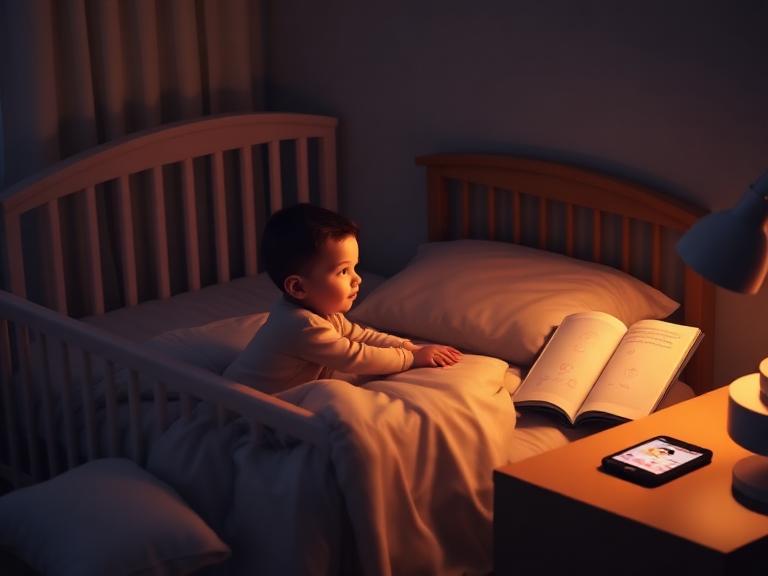
1. The Neurobiology of Sleep Hygiene in Children
Sleep hygiene is not merely a collection of rigid rules; it is a systematic approach to aligning a child’s environment and behavior with their biological sleep mechanisms. Healthy sleep relies on two main factors:
- Circadian Rhythm (Process C): The internal 24-hour clock driven by light exposure and darkness cues.
- Sleep Drive (Process S): The buildup of sleep pressure (adenosine) throughout awake hours.
                    CIRCADIAN & SLEEP PRESSURE INTERACTION

    AWAKE HOURS (Adenosine Accumulation) ───────────────────► SLEEP THRESHOLD REACHED
                                                                      │
    LIGHT DISRUPTIONS (Blue Light/Noise) ──► Cortisol Spike ──────────┴──► BEDTIME RESISTANCE
    OPTIMAL ENVIRONMENT (Cool/Dark)      ──► Melatonin Release ───────► INDEPENDENT SLEEP ONSET
When bedtime routines are irregular, bedroom lighting is bright, or screen use continues into the evening, the brain misinterprets these signals as daytime cues. This suppresses pineal melatonin production, increases adrenal cortisol release, and creates bedtime resistance.
2. Designing the Optimal Pediatric Sleep Environment
A child’s bedroom environment directly affects their ability to fall asleep smoothly and stay asleep through the night. Transforming the bedroom into a calm, dark space helps trigger natural sleep cues.
                          BEDROOM OPTIMIZATION CHECKLIST

    ┌─────────────────────────┬─────────────────────────┬─────────────────────────┐
    │  THERMAL REGULATION     │   LIGHTING DYNAMICS     │    ACOUSTIC CONTROL     │
    ├─────────────────────────┼─────────────────────────┼─────────────────────────┤
    │ Keep room between       │ Use 100% blackout       │ Use continuous white    │
    │ 18°C and 20°C (65-68°F) │ curtains to block       │ or pink noise to drown  │
    │ for ideal cooling.      │ outside ambient light.  │ out household sounds.   │
    └─────────────────────────┴─────────────────────────┴─────────────────────────┘
Thermal Regulation (18°C to 20°C)
Core body temperature drops as the body prepares for sleep. Overheating a child’s room with heavy blankets or high heat interferes with this drop, leading to restless sleep and frequent awakenings. Keep room temperatures between 18°C and 20°C (65°F to 68°F) and use breathable cotton bedding.
Complete Darkness & Strategic Night Light Usage
Light is the primary controller of circadian rhythm. Use blackout shades to block streetlights and early morning sun. If a child fears the dark:
- Avoid white, blue, or LED green night lights.
- Use a dim, motion-activated amber or red night light near floor level. Warm light wavelengths do not suppress melatonin synthesis.
Acoustic Control & Continuous Noise Masking
Sudden household noises (television sound, closing doors, footsteps) can startle a child out of light sleep cycles. A continuous white or pink noise machine creates a consistent sound background that masks household noise without overstimulating the brain. Keep the volume below 60 decibels and place the machine at least two meters from the child’s bed.
3. Designing a 4-Step Bedtime Routine
A predictable bedtime routine helps children transition peacefully from active daytime play to nighttime rest. The most effective routines take 20 to 30 minutes and follow the exact same order every evening.
1.1. Warm Bath or Shower (30 Minutes Before Bed):Trigger physiological cooling.
A warm bath or shower raises skin temperature, causing blood vessels to dilate. When the child exits the tub, body heat dissipates rapidly. This lowers core body temperature and signals to the brain that it is time to sleep.
2.2. Hygiene & Pajamas Transition:Establish predictable hygiene cues.
Transition directly into the bedroom for pajama dressing, hair brushing, and teeth cleaning. Keep the bedroom lighting dim using warm-toned lamps rather than bright overhead lights.
3.3. Wind-Down Activity (Storytelling or Reading):Lower sympathetic nervous system arousal.
Engage in quiet activities such as reading age-appropriate books, telling soft stories, or trying gentle breathing exercises. Avoid high-energy play, wrestling, or emotionally intense conversations during this window.
4.4. Final Connection & Drowsy-Awake Tuck-In:Reinforce emotional security & independent sleep.
Offer a warm hug, express love, and tuck your child into bed while they are drowsy but still awake. Placing them in bed awake teaches their central nervous system to associate their mattress and room with falling asleep independently.
4. Digital Hygiene and Screen Time Protocols
Modern technology poses a major challenge to healthy sleep habits in children. Screen time disrupts sleep through two primary pathways:
                            THE DUAL IMPACT OF SCREENS

                          ┌───────────────────────────┐
                          │  SCREEN EXPOSURE NEAR BED │
                          └─────────────┬─────────────┘
                                        │
             ┌──────────────────────────┴──────────────────────────┐
             ▼                                                     ▼
┌─────────────────────────┐                           ┌─────────────────────────┐
│ PHOTOBIOLOGICAL EFFECT  │                           │ PSYCHOLOGICAL EFFECT    │
│ Short-wavelength blue   │                           │ Interactive games &     │
│ light (450-480nm) halts │                           │ fast media trigger      │
│ melatonin production    │                           │ dopamine & alertness    │
└─────────────────────────┘                           └─────────────────────────┘
The 60-to-90-Minute Digital Blackout Rule
Enforce a strict cutoff for all digital screens—including televisions, tablets, smartphones, and gaming consoles—at least 60 to 90 minutes before bedtime. Encourage calming activities like reading physical books, drawing, or playing with building blocks instead.
Screen-Free Bedrooms
Bedrooms should remain screen-free spaces. Devices should be charged overnight in a central family area like the kitchen or hallway. This prevents night notifications, secret screen use, and sleep delays.
5. Nutrition, Physical Activity, and Sleep Quality
Daytime habits directly shape night sleep quality. What children eat and how much they move throughout the day helps regulate sleep pressure and blood sugar balance.
    DAYTIME INPUT                      PHYSIOLOGICAL IMPACT ON SLEEP
  ─────────────────────────────────────────────────────────────────────────────────────────────
  60+ Mins Physical Movement   ──► Increases adenosine build-up & deep Non-REM slow-wave sleep
  Morning Sun Exposure         ──► Resets master clock, suppressing early melatonin production
  Complex Carbs + Tryptophan   ──► Maintains stable night blood sugar & aids serotonin-melatonin path
  Late-Day Sugars & Caffeine   ──► Triggers glucose crashes, cortisol releases & brain alertness
Exercise Requirements
Children need at least 60 minutes of moderate-to-vigorous physical activity daily. Movement helps build homeostatic sleep pressure, allowing children to fall asleep more quickly and enjoy deeper slow-wave sleep. Schedule vigorous exercise for the morning or early afternoon so core body temperature has time to cool before bed.
Evening Nutrition & Hydration
Large, heavy meals eaten right before bed can cause indigestion and disrupt sleep. On the other hand, going to bed hungry can cause middle-of-the-night awakenings from blood sugar drops.
- Ideal Evening Snacks: Pair complex carbohydrates with tryptophan-containing proteins (e.g., oatmeal with warm milk, whole-grain toast with almond butter, or a banana).
- Hydration Management: Encourage plenty of water intake during the morning and afternoon, then limit large drinks within 60 minutes of bedtime to prevent late-night bathroom trips.
6. Managing Behavioral Bedtime Resistance
Even with a healthy sleep environment, children may occasionally push boundaries or resist bedtime. Behavioral techniques help maintain clear expectations while keeping the bedtime experience calm and supportive.
                        BEHAVIORAL STRATEGY COMPARISON

    ┌───────────────────────────┬───────────────────────────┬───────────────────────────┐
    │  THE BEDTIME PASS METHOD  │  SILENT RETURN PROTOCOL   │    GRADUAL WITHDRAWAL     │
    ├───────────────────────────┼───────────────────────────┼───────────────────────────┤
    │ Gives the child 1 physical│ Escorts the child back to │ Gradually moves parent's  │
    │ card for a single request │ bed silently, minimizing  │ physical presence away    │
    │ (water/hug). Cuts stalls. │ emotional rewards.        │ over several nights.      │
    └───────────────────────────┴───────────────────────────┴───────────────────────────┘
The Bedtime Pass Method
Give your child a physical card (the “Bedtime Pass”) at tuck-in time. This pass can be traded for one brief request after lights-out (e.g., a glass of water, an extra hug, or a quick bathroom visit). Once turned in, the pass is gone for the night, and any further exits are handled with quiet, direct returns to bed. This gives children a sense of control while setting a clear limit on bedtime delays.
The Silent Return Technique
If your child leaves their bed after lights-out:
- Walk them back to bed immediately with minimal conversation and no anger or negotiation.
- The first time, state calmly: “It is time for sleep. You are safe in your bed.”
- For every exit after that, walk them back silently with neutral body language and no direct eye contact. This removes the emotional reaction that can unintentionally reinforce bedtime stalls.
7. Sleep Hygiene Across Developmental Stages
Healthy sleep habits evolve as children grow. Adapt your sleep hygiene strategies to match your child’s age and developmental needs:
| Developmental Phase | Core Focus | Main Sleep Disruptor | Essential Sleep Habit Strategy |
| Infancy (0-12 Months) | Building circadian rhythm | Feeding needs & regressions | Use dark rooms for naps; put to bed drowsy but awake. |
| Toddlerhood (1-3 Years) | Setting boundaries & independence | Separation anxiety & stalling | Use visual routines; offer limited choices (e.g., pajama options). |
| Preschool (3-5 Years) | Phasing out naps gracefully | Nighttime fears & imagination | Use amber night lights; establish a consistent Bedtime Pass. |
| School-Age (6-12 Years) | Managing screens & academics | Digital devices & homework stress | Enforce a screen-free bedroom; set central device charging stations. |
| Adolescence (13-18 Years) | Managing delayed sleep phase | Late screen use & shifting schedules | Maintain weekend wake times within 60 mins of weekday routines. |
8. A 4-Week Action Plan for Healthy Sleep Habits
Transforming your child’s sleep hygiene works best when implemented step-by-step. Use this four-week roadmap to build lasting sleep habits:
Week 1: Optimize the Sleep Space
 └─ Install blackout shades, set room temperature to 18-20°C, add white noise, and move screens out of the room.

Week 2: Establish the 4-Step Routine
 └─ Create a 20-to-30-minute predictable sequence (Bath -> Pajamas -> Book -> Bed). Put your child down drowsy but awake.

Week 3: Enforce Digital & Meal Cutoffs
 └─ Turn off all screens 60 to 90 minutes before bed. Offer a small, complex-carb snack and limit large late drinks.

Week 4: Apply Consistent Behavioral Boundaries
 └─ Introduce the Bedtime Pass or Silent Return method for bedtime stalls. Keep wake times consistent on weekends.
9. Frequently Asked Questions (FAQs)
Q1: What are the most essential healthy sleep habits for children?
The most vital healthy sleep habits for children include maintaining a consistent wake-up time seven days a week, enforcing an age-appropriate bedtime, keeping screens out of the bedroom, establishing a predictable 20-to-30-minute bedtime wind-down routine, and creating a dark, cool (18-20°C), and quiet sleep environment.
Q2: How does a bedtime routine foster healthy sleep habits for children?
A structured bedtime routine conditions the central nervous system by providing predictable cues that signal sleep is approaching. This lowers parasympathetic stress, reduces bedtime resistance, and promotes faster melatonin onset.
Q3: How far in advance of bedtime should screen time be turned off?
Screens should be turned off at least 60 to 90 minutes before bedtime. Blue light emitted from screens suppresses pineal melatonin secretion and delays sleep onset.
Q4: What is the optimal bedroom temperature for a child’s healthy sleep?
The ideal ambient bedroom temperature for children is between 18°C and 20°C (65°F to 68°F). A cool room mimics the physiological drop in core body temperature required for deep slow-wave sleep.
Q5: How can I encourage my child to fall asleep independently without a parent in the room?
Encourage independent sleep by placing your child in bed while they are drowsy but awake. Use gradual withdrawal strategies (such as moving a chair farther from the bed every few nights) so they learn to self-soothe without external associations.
Q6: Why is daytime physical activity important for healthy sleep habits in children?
Daytime physical activity increases homeostatic sleep drive (adenosine buildup) and enhances slow-wave sleep depth. Children who get at least 60 minutes of moderate-to-vigorous physical activity fall asleep faster and wake up less frequently at night.
Q7: How do dietary choices affect healthy sleep habits for children?
High-sugar foods and refined carbohydrates close to bedtime cause rapid blood glucose fluctuations that spark nocturnal adrenaline releases. Complex carbohydrates paired with tryptophan-rich proteins (e.g., oats with warm milk) stabilize blood sugar and promote sleep.
Q8: What should I do if my child keeps making bedtime curtain calls for water or extra hugs?
Proactively address basic needs during the wind-down routine. Then implement a “Bedtime Pass” system—granting the child one physical pass to use for a single valid request, after which all further requests are met with calm, silent returns to bed.
Q9: Are night lights recommended for children’s sleep hygiene?
Bright white or blue night lights should be avoided because they disrupt melatonin synthesis. If a child fears the dark, use a dim amber or red light positioned near the floor, as warm wavelengths do not suppress melatonin.
Q10: How do healthy sleep habits benefit a child’s emotional regulation and cognitive function?
Sufficient, high-quality sleep restores the prefrontal cortex, which governs executive function, impulse control, and emotional stability. Healthy sleep improves memory consolidation, attention span, and frustration tolerance.
Q11: How can parents maintain healthy sleep habits during travel or holidays?
Maintain core sleep hygiene elements by replicating the bedtime routine order, bringing familiar items (pillowcases, loveys), using portable blackout shades, and keeping wake-up times within 30-45 minutes of their normal schedule.
Q12: Should children be allowed to have televisions or smartphones in their bedroom?
No. The American Academy of Pediatrics and sleep specialists strongly recommend keeping bedrooms screen-free. Having screens in the bedroom leads to later bedtimes, shorter sleep durations, and frequent sleep disruptions.
Q13: How do caffeine and hidden stimulants undermine healthy sleep habits in kids?
Caffeine blocks brain adenosine receptors, preventing the perception of fatigue. Hidden in sodas, iced teas, chocolate, and energy drinks, caffeine has a half-life of 3 to 7 hours in children and can severely disrupt sleep architecture.
Q14: What role does morning sunlight play in developing healthy sleep habits for children?
Morning sunlight exposure (10-15 minutes) stops melatonin production and resets the circadian master clock. This sharpens morning alertness and sets a clear biological timer for melatonin release later that evening.
Q15: When should parents consult a sleep specialist or pediatrician regarding sleep struggles?
Consult a professional if your child demonstrates chronic snoring, sleep apnea, gasping, night terrors, extreme daytime sleepiness, or persistent bedtime battles lasting longer than four weeks despite consistent behavioral sleep hygiene.
10. Conclusion: Building a Lifetime of Healthy Sleep
Establishing healthy sleep habits for children is a long-term investment in your child’s health, happiness, and cognitive growth. By optimizing their sleep environment, creating a predictable bedtime routine, limiting evening screen exposure, and setting gentle, consistent behavioral boundaries, you give your child the tools they need for restful, restorative sleep.