

Table of Contents
Why Child Wakes Up at Night: Common Causes and Practical Solutions for Better Sleep
Many parents experience interrupted sleep because their child wakes up multiple times during the night. Whether it happens occasionally or every night, repeated night waking can leave both children and parents feeling exhausted.
The good news is that waking during the night is often a normal part of childhood development. Children move through different sleep cycles, experience developmental changes, and respond to physical or emotional needs that can temporarily disrupt sleep.
Understanding why a child wakes up at night is the first step toward creating healthy sleep habits that support the entire family.
Children wake up at night for many reasons, including normal sleep cycle transitions, hunger, illness, nightmares, sleep regressions, developmental milestones, anxiety, changes in routine, or environmental disruptions. While occasional waking is normal, consistent sleep routines and age-appropriate sleep habits often help children sleep for longer periods.

Understanding How Children’s Sleep Works
Many parents assume that children should sleep continuously throughout the night. In reality, both children and adults experience brief awakenings between sleep cycles.
The difference is that adults usually fall back asleep without noticing, while children sometimes need help returning to sleep.
Children’s sleep cycles are shorter than adult sleep cycles, making night waking more common during infancy and early childhood.
Sleep consists of:
- Light sleep
- Deep sleep
- REM sleep (dream sleep)
Transitions between these stages can sometimes trigger awakenings.
Most Common Reasons Children Wake Up at Night
1. Sleep Associations
One of the most common reasons children wake during the night is because they rely on specific conditions to fall asleep.
Examples include:
- Being rocked
- Being fed
- Being held
- Watching screens
- Having a parent nearby
When children wake naturally between sleep cycles, they may struggle to return to sleep if those conditions are no longer present.
2. Hunger
Younger children may genuinely wake due to hunger.
This is especially common among:
- Infants
- Young toddlers
- Children experiencing growth spurts
As children grow older, hunger becomes a less common cause of frequent night waking.
3. Sleep Regression
Sleep regressions are temporary periods when previously good sleepers begin waking more often.
Common sleep regressions occur around:
- 4 months
- 8–10 months
- 18 months
- 2 years
These often coincide with developmental milestones.
4. Separation Anxiety
Many children experience periods of separation anxiety.
A child who wakes during the night may seek reassurance that parents are nearby.
This is particularly common between 8 months and 3 years of age.
5. Nightmares
As imagination develops, children become more susceptible to nightmares.
Nightmares often occur during REM sleep.
A child may wake frightened and need comfort before returning to sleep.
6. Night Terrors
Night terrors differ from nightmares.
Children experiencing night terrors may:
- Cry
- Scream
- Sit up suddenly
- Appear awake
However, they are usually not fully conscious and often do not remember the event.
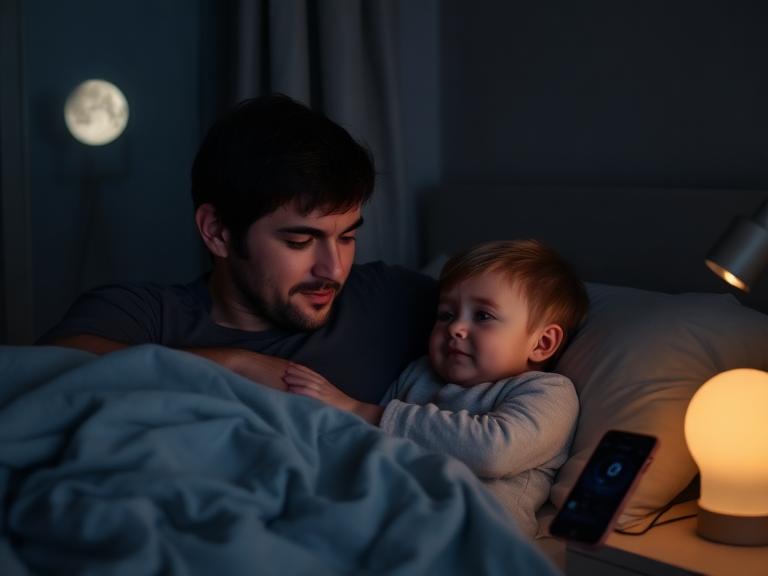
7. Overtiredness
Many parents are surprised to learn that being overly tired can actually make sleep worse.
Overtired children often:
- Struggle to fall asleep
- Wake more frequently
- Wake earlier in the morning
Adequate daytime rest is important for nighttime sleep.
8. Illness
Common illnesses may temporarily disrupt sleep.
Examples include:
- Colds
- Ear infections
- Fever
- Allergies
- Teething discomfort
Children often return to normal sleep patterns once they recover.
9. Environmental Factors
Sleep quality can be affected by:
- Noise
- Light
- Room temperature
- Uncomfortable bedding
A sleep-friendly environment supports better rest.
10. Developmental Milestones
Learning new skills can temporarily disrupt sleep.
Children may wake more often while learning to:
- Crawl
- Walk
- Talk
- Climb
- Gain independence
This is usually temporary.
Why Toddlers Wake Up at Night
Toddlers commonly wake because of:
- Separation anxiety
- Sleep regressions
- Fear of the dark
- Overtiredness
- Changes in routine
- Developmental leaps
Toddlers often test boundaries, making consistency particularly important.
Why School-Age Children Wake Up at Night
Older children may wake because of:
- Stress
- School worries
- Nightmares
- Environmental disruptions
- Inconsistent bedtime schedules
As children grow, emotional factors often play a larger role in sleep quality.
Signs Your Child Is Not Getting Enough Sleep
Watch for:
- Frequent irritability
- Difficulty concentrating
- Hyperactivity
- Mood swings
- Frequent meltdowns
- Difficulty waking in the morning
Sometimes behavioural concerns are linked to insufficient sleep.
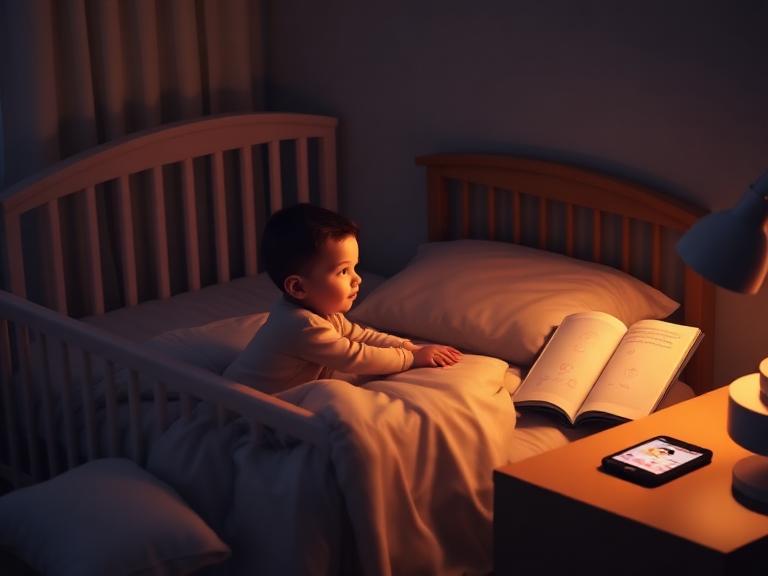
How to Help Your Child Sleep Better
Establish a Consistent Bedtime Routine
Predictability helps children feel secure.
A healthy bedtime routine may include:
- Bath time
- Pajamas
- Brushing teeth
- Reading
- Quiet conversation
- Lights out
Consistency matters more than complexity.
Maintain Regular Sleep Schedules
Try to keep bedtime and wake-up times consistent.
Large variations can disrupt the body’s natural sleep rhythm.
Create a Calm Sleep Environment
Helpful sleep conditions include:
- Dark room
- Comfortable temperature
- Minimal noise
- Comfortable bedding
Limit Screens Before Bed
Electronic devices may interfere with sleep readiness.
Reducing screen exposure before bedtime often improves sleep quality.
Encourage Physical Activity
Daily movement supports healthier sleep.
Outdoor play and physical activity can help children fall asleep more easily.
What Parents Should Avoid
Avoid:
- Late-night screen use
- Highly stimulating activities before bed
- Inconsistent bedtimes
- Excessive caffeine in older children
- Long negotiations at bedtime
Consistency is often the most effective sleep strategy.
When Extra Support Can Help
Most sleep challenges improve with time and consistent routines.
However, additional support may be useful if:
- Night waking continues for several months
- Family wellbeing is significantly affected
- Sleep problems become severe
- Parents feel overwhelmed
Many families benefit from educational resources, sleep guidance, and structured parenting support. Some parents use tools such as TinyPal to access personalised parenting guidance and practical ideas tailored to everyday family challenges.
Frequently Asked Questions
Why does my child wake up every night?
Children may wake due to sleep cycle transitions, hunger, developmental changes, anxiety, illness, or environmental factors.
Is it normal for toddlers to wake up at night?
Yes. Many toddlers experience occasional night waking as part of normal development.
What causes sleep regression?
Sleep regressions often occur during periods of rapid developmental growth and learning.
How can I help my child sleep through the night?
Consistent bedtime routines, regular sleep schedules, and healthy sleep habits often improve sleep quality.
Why does my child wake up crying?
Nightmares, discomfort, illness, anxiety, or sleep cycle transitions may contribute.
Are nightmares normal?
Yes. Nightmares are common as children’s imagination develops.
Can overtiredness cause night waking?
Yes. Overtired children often wake more frequently during the night.
Should I wake my child if they have a night terror?
Generally, children experiencing night terrors do not need to be awakened.
When should I be concerned about sleep problems?
Seek professional advice if sleep difficulties are severe, persistent, or affecting daily functioning.
Can bedtime routines improve sleep?
Yes. Consistent routines are one of the most effective ways to support healthy sleep habits.
Conclusion
When parents wonder why a child wakes up at night, the answer is often a combination of developmental, emotional, physical, and environmental factors. Night waking is common throughout childhood and usually improves as children mature.
By creating consistent routines, encouraging healthy sleep habits, and responding calmly to disruptions, parents can support better sleep for both children and themselves. While progress may take time, small changes often lead to meaningful improvements in sleep quality and family wellbeing.