
Table of Contents
Best Live Online Yoga Classes: Real-Time Correction & Wellness
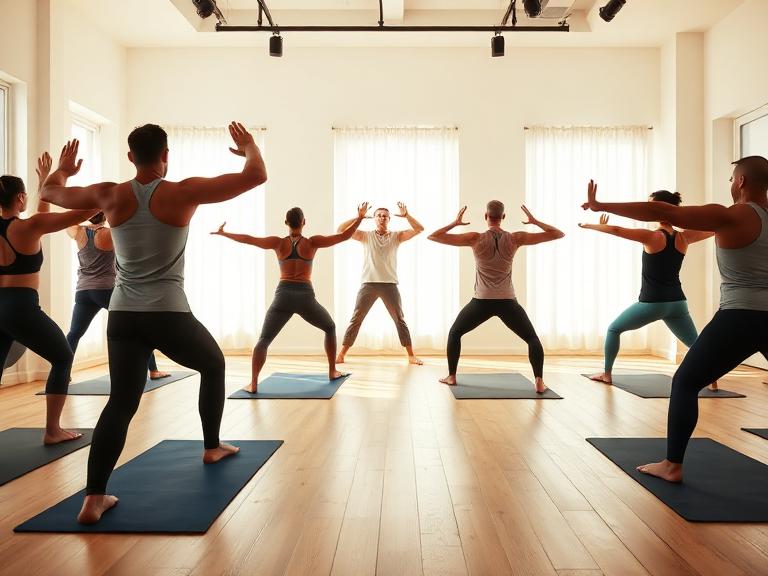
Live online yoga classes represent the gold standard of digital wellness. Unlike pre-recorded videos or apps where you passively follow along, live classes utilize two-way video technology (like Zoom or Google Meet) to recreate the studio experience in real-time.
The defining feature of a live class is feedback. The instructor watches you on their screen and provides specific verbal adjustments (e.g., “Relax your shoulders,” “Engage your core”), ensuring safety and progression. This format bridges the gap between convenience and accountability.
For those in Chennai seeking a balance between digital ease and human connection, local providers such as Outdoor Yoga Chennai have successfully adopted this model. They offer structured live sessions that maintain the discipline of a physical “shala” while allowing students to practice from the safety and comfort of their homes.
The Evolution: Why “Live” Is the New Standard
A decade ago, “online yoga” meant a DVD or a YouTube video. While these resources popularized yoga, they lacked the critical component of teaching: Observation.
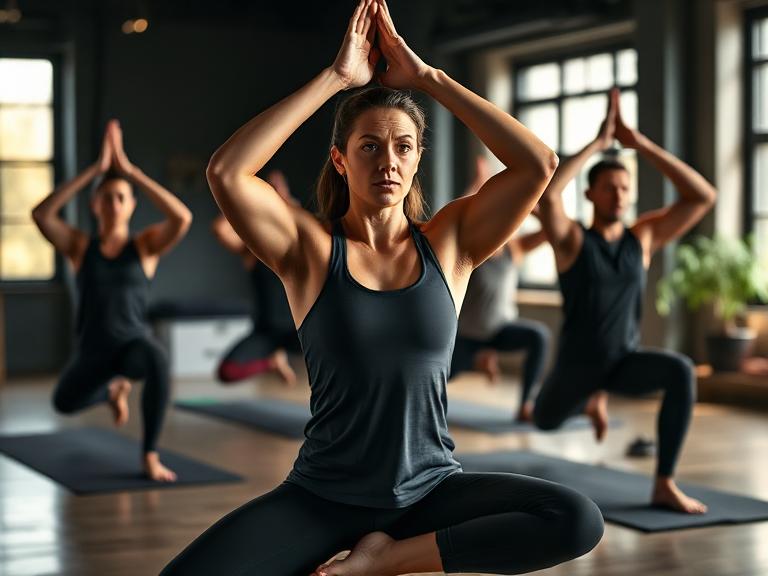
The shift to “Live Interactive” formats was accelerated by the global need for remote wellness, but it has stayed because of its efficacy. It solves the “Isolation Problem.” In a pre-recorded video, if you struggle with a pose, you are alone with your frustration. In a live class, the teacher notices your struggle and offers a modification instantly. This dynamic interaction transforms a solitary exercise routine into a supported wellness journey.
Furthermore, “Live” brings Structure. A YouTube video can be paused or skipped. A live class happens at 6:00 AM sharp. If you are late, you miss the warm-up. This temporal discipline forces the practitioner to carve out dedicated time for self-care, combating the procrastination that plagues self-paced fitness programs.
Live vs. Pre-Recorded: Understanding the Difference
To choose the right format, one must understand the trade-offs.
| Feature | Pre-Recorded (On-Demand) | Live Interactive Classes |
| Flexibility | 100% (Practice anytime) | Schedule-based (e.g., Mon/Wed/Fri 6 AM) |
| Correction | None (Risk of injury) | Real-time feedback from a teacher |
| Accountability | Low (Easy to skip) | High (Teacher expects you) |
| Community | None (Solitary) | High (Chat with batchmates) |
| Cost | Low / Free | Moderate (Paying for teacher’s time) |
| Best For | Travel, unpredictable schedules | Beginners, those needing motivation |
The Technology of Connection: What You Need
A common misconception is that you need a high-tech studio setup to join a live class. In reality, the requirements are minimal, but optimizing them improves the experience significantly.
1. The Visual Link (Camera & Screen)
- The Device: A laptop is superior to a phone. The larger screen allows you to see the teacher’s demonstration clearly without squinting.
- Camera Placement: This is crucial. For the teacher to correct you, they need to see your full body. Place your device about 6–8 feet away from the mat. An elevated position (on a chair or shelf) is better than the floor, as it captures both standing and lying down poses.
2. The Audio Link
- Hearing the Teacher: Yoga relies on “cues”—subtle instructions about breath and micro-movements. If your laptop speakers are weak, connect a Bluetooth speaker.
- Wireless Earbuds: For those living in noisy joint families or near busy streets in Chennai, wearing wireless earbuds (like AirPods) creates an immersive “bubble,” blocking out the sound of pressure cookers or traffic.
3. Bandwidth
- Stability: Live video requires a stable upload and download speed. A 10 Mbps connection is usually sufficient.
- Optimization: If the video lags, try disconnecting other devices from the Wi-Fi or moving closer to the router.
The Psychology of Accountability: The “Hawthorne Effect”
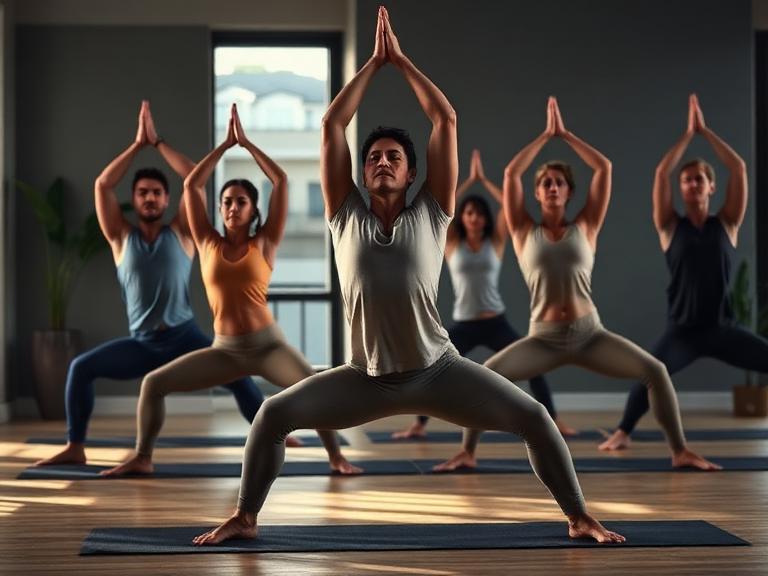
Why do people work harder in a live class than with a video? Psychologists call this the Hawthorne Effect—the alteration of behavior by the subjects of a study due to their awareness of being observed.
When you know the teacher is watching your tile on the Zoom screen, you are less likely to check your phone, skip the difficult push-up, or lie in Savasana early. This external observation acts as a scaffold for your willpower. Over time, this external discipline internalizes, helping you build a robust habit that holds up even when the camera is off.
For beginners, this is the difference between quitting after 2 weeks and sticking with it for 2 years. The human connection—a teacher saying “Good job, Priya!”—triggers a dopamine reward that a pre-recorded “Good job, guys!” never can.
How a Live Online Class is Structured
A professional live class is not just a teacher practicing in front of a camera. It follows a pedagogical arc designed for remote instruction.
1. The “Check-In” (5 Minutes)
The class usually opens 5-10 minutes early. This is the digital equivalent of walking into the studio. Students greet each other. The teacher asks about injuries, energy levels, or specific requests (e.g., “My lower back is stiff today”). This establishes the human bond.
2. The Demonstration & Instruction Phase
Unlike a physical class where the teacher might walk around, in an online class, the teacher often demonstrates the flow first. They then move close to the camera to watch the students execute it.
- Key Term: Verbal Adjustments. Since the teacher cannot touch you to fix your alignment, they use precise words. Instead of physically turning your foot, they might say, “Imagine pressing the outer edge of your right foot into the floor.”
3. The Peak & Cool Down
The intensity builds up to a “Peak Pose” and then winds down. In a live setting, the teacher can gauge the energy of the room. If they see students are exhausted, they might switch from a difficult hold to a restorative stretch—an adaptation impossible in a pre-recorded video.
4. Post-Class Q&A
This is unique to live classes. After Namaste, the session doesn’t just end. Students can unmute and ask questions: “Why did my wrist hurt in Down Dog?” or “How do I modify this for knee pain?” This personalized troubleshooting is invaluable.
Choosing the Right Live Class for Your Goals
The “Live” label covers a broad spectrum of intensities.
- Live Hatha Yoga: Focuses on static holds and alignment. Best for beginners learning the ropes of technology and technique simultaneously.
- Live Vinyasa / Power Yoga: Fast-paced. Requires a good internet connection as the movement is continuous. Best for weight loss and sweat.
- Live Yin / Restorative: Slow, floor-based poses. Excellent for stress relief before bed. The teacher’s voice becomes a guided meditation.
- Live Pranayama: Breathwork classes. These work exceptionally well online as they require less visual correction and more auditory focus.
The Safety Protocol: preventing Injury at Home
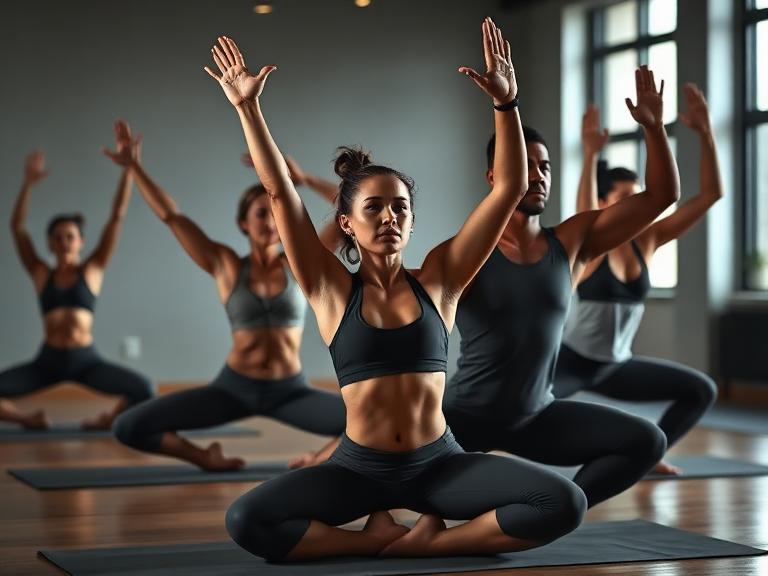
Practicing at home has inherent risks—furniture, slippery floors, and lack of physical supervision.
- Clear the Zone: Ensure you have a 360-degree clearing around your mat. Hitting your hand on a coffee table during a twist is a common home-yoga injury.
- Lighting: Ensure the light source is in front of you. If you are backlit (e.g., in front of a window), you appear as a silhouette, making it impossible for the teacher to see if your knee is hyperextended.
- Listen to the cues: In a live class, if the teacher gives a general correction (e.g., “Don’t let your knees collapse inward”), assume they are talking to you. Check your alignment immediately.
The Cost of Live Interaction
While cheaper than a physical studio, live classes cost more than apps.
- Economy: Mass webinars (100+ people). ₹500–₹1000/month. Low interaction.
- Standard: Small groups (10–20 people). ₹1500–₹3000/month. High interaction.
- Premium: 1-on-1 Personal Training. ₹8000–₹15000/month. Hyper-customized.
For most, the Standard tier offers the best ROI. You get the safety of correction without the premium price tag of personal training.
FAQs
1. Do I have to turn my camera on?
It is not mandatory, but it is highly recommended. If your camera is off, the teacher cannot correct your posture, which removes the primary safety benefit of a “live” class.
2. Can the teacher really see me on a small screen?
Yes. Professional teachers use large monitors or cast their screens to a TV. They also use “Gallery View” to scan all students constantly.
3. What if my internet disconnects during class?
Don’t panic. Continue breathing or resting in Child’s Pose. Rejoin when the connection stabilizes. Most teachers are used to this and will welcome you back seamlessly.
4. Is live yoga suitable for absolute beginners?
Yes, often more so than videos. A live teacher can stop you if you are doing something dangerous. Look for “Level 1” or “Foundation” live batches.
5. Can I ask questions during the class?
Usually, it is best to stay muted during the flow to avoid disturbing others. Use the “Chat” box for urgent issues or wait until the post-class Q&A for detailed questions.
6. Do I need a microphone?
Your device’s built-in mic is usually enough for the “Check-in” and “Q&A.” During the class, you will be muted by the host to prevent background noise (dogs barking, doorbells) from disrupting the session.
7. How do I know if a teacher is good at online teaching?
A good online teacher uses clear, non-visual cues. They don’t just say “look at me”; they describe the action (e.g., “lift your kneecaps”). They also call students by name to offer corrections.
8. Can I attend live classes from a different time zone?
Absolutely. This is a major perk. You can attend a Chennai-based class while traveling in Europe, keeping your routine consistent with your favorite teacher.
9. What platforms are used for live yoga?
Zoom is the industry standard due to its stability and audio features. Google Meet and Microsoft Teams are also used but are less common for group fitness.
10. Is it safe to do inversions (Headstand) in a live class?
Only if you are an intermediate student and the teacher knows your practice well. Beginners should avoid attempting high-risk poses at home without physical spotting.
11. Can I share my screen with my partner?
Yes. Most teachers encourage couples or families to practice together. You usually pay per screen, not per person, making it very cost-effective.
12. What happens if I miss a live session?
Many providers, including community-focused ones like Outdoor Yoga Chennai, record the live session and share the link (valid for 24-48 hours). This allows you to catch up if life gets in the way.
13. Do live classes include meditation?
Yes. The final 10-15 minutes are often dedicated to Pranayama (breathwork) and Dhyana (meditation), which is very effective in a live format as the collective energy is palpable.
14. Are there age limits for online live yoga?
No. There are specialized live classes for kids, teens, adults, and seniors (Chair Yoga). Ensure you pick the right category for your age and fitness level.
15. How do I pay for live classes?
Payments are digital and seamless—usually via UPI (GPay, PhonePe), bank transfer, or credit card links sent by the instructor.
Conclusion
Live online yoga classes have democratized access to high-quality wellness mentorship. They strip away the logistical barriers of traffic and geography, leaving only the essence of the practice: the breath, the movement, and the teacher’s guidance. Whether you are a busy parent, a traveling professional, or someone seeking a supportive community, the live format offers a sustainable, safe, and deeply connecting way to practice yoga in the modern world.


Leave a Comment